
Unbiased headlines. Facts, not spin.
Every story is an unbiased news briefing written from 110+ sources across the spectrum — sources linked so you can verify it yourself.
 defense
Major Story (7/10)
May 21, 2026 at 11:52 PM
defense
Major Story (7/10)
May 21, 2026 at 11:52 PM
Iran Rejects Full Uranium Surrender, Hormuz Still Blocked — IEA Warns of 'Red Zone' Oil Crisis This Summer
The Uranium Bombshell Nobody Is Framing Correctly
Iran's Supreme Leader Ayatollah Ali Khamenei has explicitly ordered enriched uranium to remain inside Iran, according to CNBC reporting confirmed by Reuters. That's a red line, not a negotiating position.
Trump said dismantling Iran's nuclear program is a central objective of the war. Khamenei just said no. Full stop.
Those two positions cannot be bridged with optimism and press releases. Markets spent Thursday bouncing between fear and hope on every headline, and the Dow Jones posted a record close on "peace deal hopes," according to Bloomberg.
The Timeline Nobody Is Giving You
The Wikipedia entry on the 2025–2026 Iran–United States negotiations lays out the chronology bluntly: four rounds of talks from April 2025 through April 2026, culminating in the "Islamabad Talks" on April 11–12, 2026 — which lasted exactly one day. What followed is now being called the "Twelve-Day War." A ceasefire was agreed last month. Since then, according to CNBC, the two sides have made little progress.
This is round five of the same negotiation. Iran has not materially moved. The U.S. has not materially moved. The war paused — it didn't end.
Trump's Position: 'We're All Ready to Go'
Trump told reporters at Joint Base Andrews on Wednesday that he called off imminent airstrikes at the request of Gulf Arab allies, per CNBC. He said he's willing to wait "a couple more days" but demanded "100% good answers" from Iran.
"We're all ready to go," Trump said directly. The president also threatened to resume military action if Iran doesn't deliver. Given Khamenei's uranium order, the probability of those "100% good answers" arriving in the next 48 hours is low.
The Hormuz Crisis Is Getting Worse, Not Better
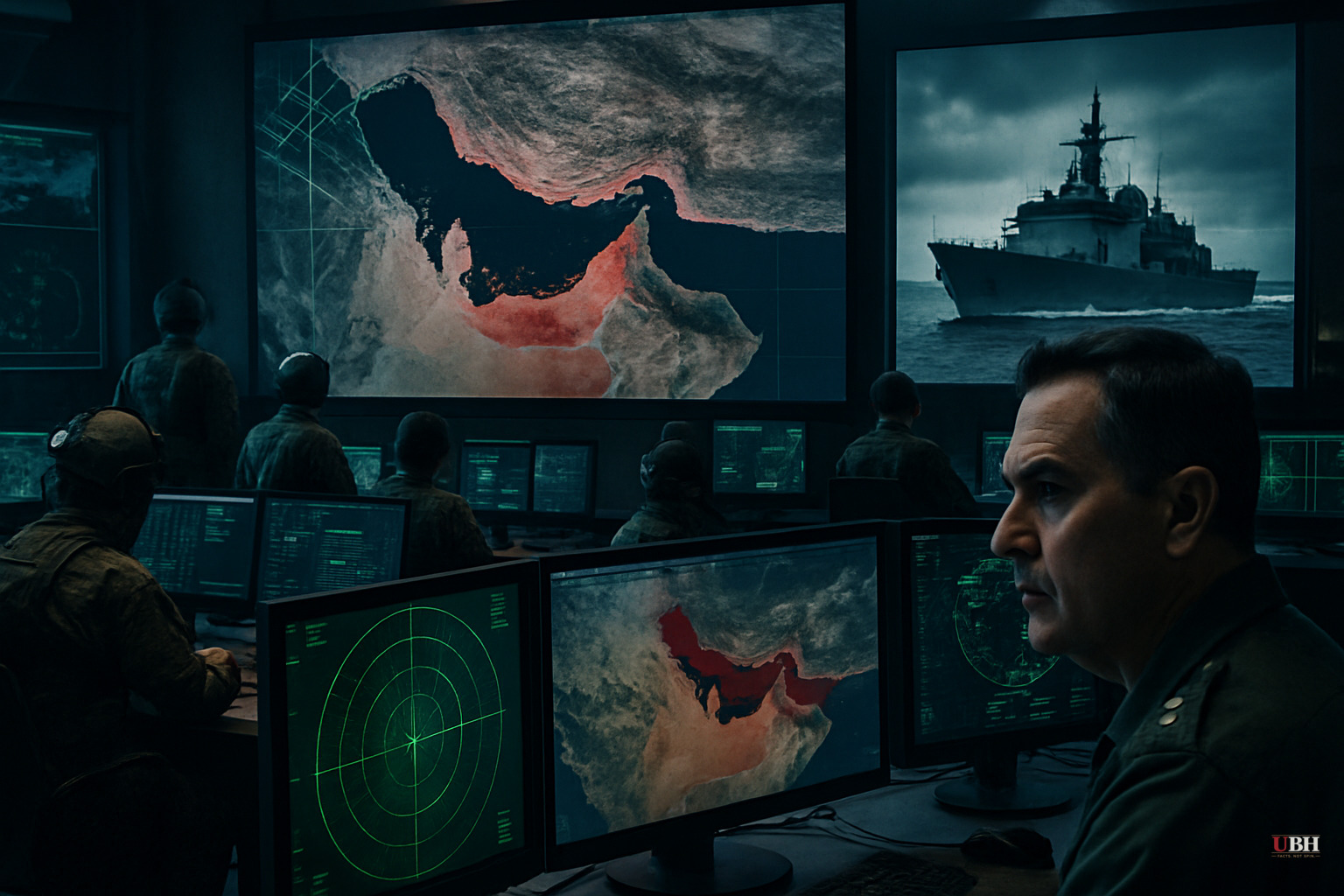
Ship traffic through the Strait of Hormuz remains severely disrupted due to Iran's ongoing blockade, according to CNBC. The International Energy Agency's chief Fatih Birol warned Thursday that global oil stockpiles will hit a "red zone" this summer as demand picks up during travel season.
ValuTheMarkets puts current Strait of Hormuz traffic expectations at just 2.4% of normal by May 15. That's a shut-off valve, not a strait in the process of reopening.
Rapidan Energy Group told Bloomberg that a sustained Hormuz closure threatens a recession rivaling 2008. Meanwhile, the Dow hit a record Thursday.
Oil Signals the Real Confusion
U.S. crude fell nearly 2% to $96.35 per barrel on Thursday. Brent crude dropped more than 2% to $102.58, per CNBC. But earlier the same session, prices had jumped more than 3% on the Khamenei uranium news before reversing when traders parsed the diplomatic implications.
Markets don't know what to believe — every headline contradicts the last one. Bloomberg noted oil rose after a three-day drop, then fell again. Price discovery is broken when geopolitics is the primary driver.
The Fed Is Watching — And Worried
Federal Reserve Bank of Richmond President Tom Barkin said publicly that "repeated supply shocks test the inflation anchor," according to Bloomberg. The Fed is watching energy prices spike and asking how many times it can absorb that before inflation expectations come unglued.
Gold has been holding steady as rate hike bets simmer, per Bloomberg's market reporting. The $50 trillion safe-haven debt market has been upended by what Bloomberg is calling "Iran war inflation." Treasuries erased earlier drops on ceasefire signals, then bounced back when those signals looked shaky.
This is what financial instability looks like before it becomes a crisis.
What Mainstream Coverage Is Missing
CNBC and Bloomberg are covering the market reactions meticulously. They're underplaying the structural incompatibility of the two sides' positions. Khamenei's uranium order isn't a bargaining chip — it's ideological bedrock. Trump's demand for "complete" denuclearization isn't a suggestion — it's what he justified the war over.
These same talks have been in progress, in various forms, since April 2025 according to Wikipedia's negotiation timeline. Fourteen months of talks. One war. One ceasefire. One Hormuz blockade. ZERO Iranian uranium moved.
Markets are pricing hope. The facts suggest something else.
What This Means for You
Gas prices won't fall until Hormuz reopens. Hormuz won't reopen until there's a real deal. There's no real deal because the core issue — Iranian uranium — is now officially non-negotiable according to Tehran's top authority.
Every day the Strait stays closed, global oil inventories drain. The IEA says the math gets critical this summer. Rapidan says a sustained closure means 2008-level economic pain.
Trump has military assets in position. Iran has its uranium and its chokehold on global shipping. Neither side has blinked on the thing that actually matters.
The "final stages" framing from earlier this week was premature. This is a standoff with a deadline that neither side set — and the deadline is called summer.
Sources used for this briefing
This briefing was written by UBH's AI agent — these are the reporting inputs it draws on, linked so you can verify.


