
Unbiased headlines. Facts, not spin.
Every story is an unbiased news briefing written from 110+ sources across the spectrum — sources linked so you can verify it yourself.
 politics
Major Story (7/10)
May 21, 2026 at 11:38 AM
politics
Major Story (7/10)
May 21, 2026 at 11:38 AM
Iran Refuses to Ship Uranium Abroad, Trump Threatens New Strikes Within Days as Pakistan Mediates
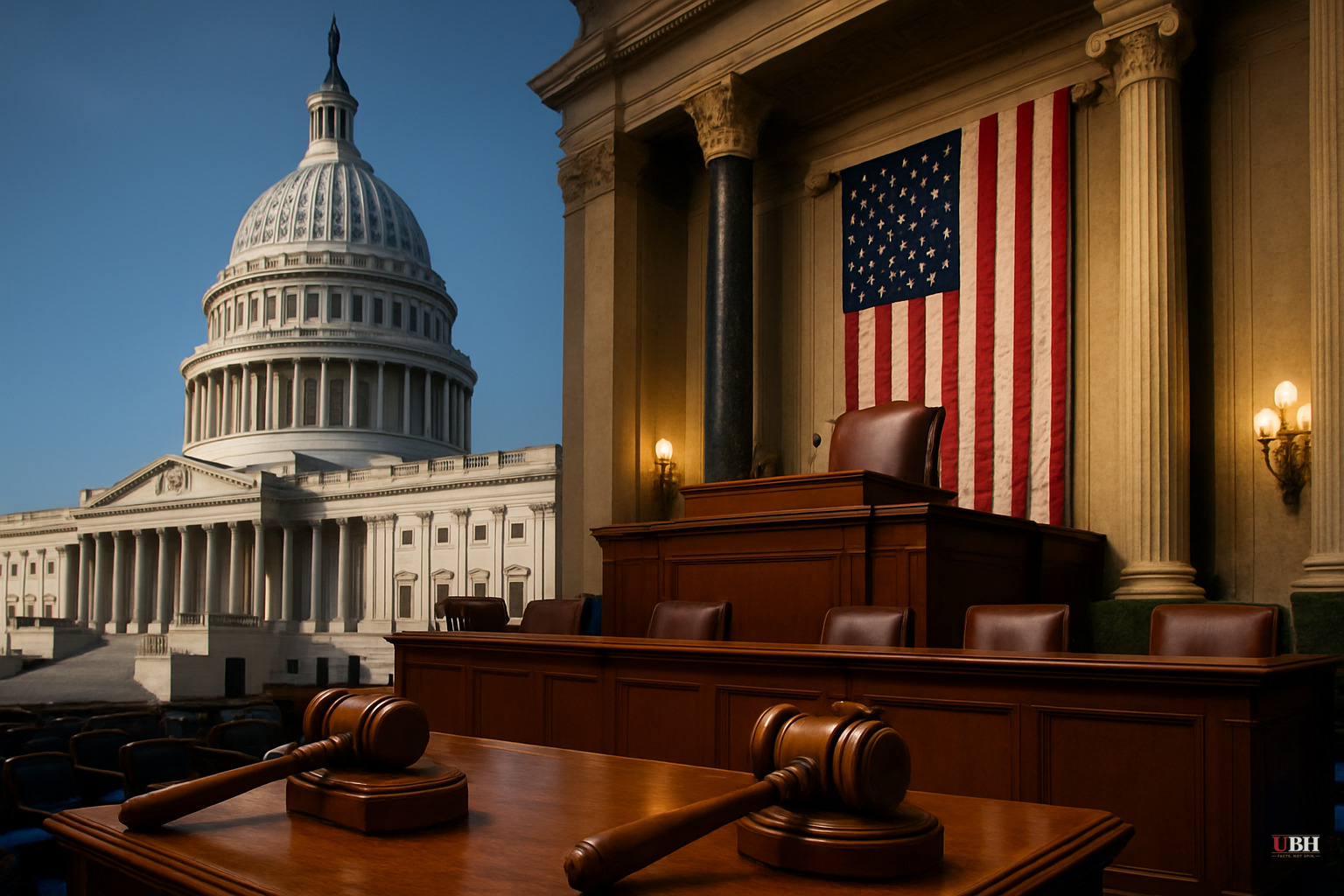
The New Dealbreaker: Iran Won't Give Up Its Uranium
Iran has told negotiators that its uranium stockpile is NOT leaving the country. According to Reuters — as flagged by Bloomberg's headline feed on May 21 — Tehran explicitly stated enriched uranium must stay on Iranian soil. That is a direct collision with the Trump administration's core demand for any nuclear agreement.
No uranium transfer, no deal.
Trump: 'It Goes Very Quickly'
President Trump made his position crystal clear Wednesday at Joint Base Andrews. "Believe me, if we don't get the right answers, it goes very quickly. We're all ready to go," he told reporters, according to CNBC. Asked how long he'd wait, Trump said: "It could be a few days, but it could go very quickly."
That same day, Trump rejected Iran's Monday offer to reopen the Strait of Hormuz in exchange for lifting the U.S. blockade while nuclear talks continued. He called the blockade "genius" and said Iran just needs to "cry uncle," according to The Atlantic.
The Atlantic also reported that military brass — specifically General Dan Caine, chairman of the Joint Chiefs — briefed Trump on options for a "short and powerful" new wave of strikes. The targets this time: not just military hardware, but the specific Iranian regime faction the administration believes is blocking a deal.
Pakistan's Army Chief Flies to Tehran
Pakistan's Field Marshal Asim Munir was expected in Tehran Thursday as part of ongoing mediation efforts, according to Iran's ISNA news agency as cited by CNBC. Iran's Foreign Ministry spokesperson Esmaeil Baghaei confirmed Tehran received the latest U.S. position paper and is "reviewing" it. He added that Pakistan continues to facilitate exchanges based on Iran's original 14-point framework from the Islamabad talks.
Several rounds of back-channel communication have already occurred. None have produced movement.
Why There's No Deal
The Atlantic's analysis points to a core problem: both sides genuinely believe they won this war. That's the structural issue, not procedural hang-ups or mediator logistics.
Trump's team frames the stalemate as hard-liners blocking pragmatists inside Iran. Secretary of State Marco Rubio told Fox News the new supreme leader Mojtaba Khamenei is "untested" and "has not been seen," and that "hard-liners with an apocalyptic vision" hold ultimate power. The administration's proposed solution: targeted strikes to remove those specific hard-liners.
The Atlantic's assessment is that this logic is almost certainly wrong. The Islamic Revolutionary Guard Corps survived the assassination of much of its senior leadership, multiple rounds of airstrikes, and international isolation. Trimming more names from the org chart won't break it.
From Iran's vantage point, they withstood a war designed to topple the regime, demonstrated they can shut down the Strait of Hormuz — through which 20% of global oil and LNG used to flow — and showed they can still strike the Persian Gulf and Israel. They don't think they lost. They think they held.
That mutual conviction of victory is why the uranium transfer demand is a non-starter for Tehran. Giving up enriched uranium on home soil reads, inside Iran, as surrender.
The Economic Pressure Is Real and Growing
The war isn't just a Middle East problem. Bloomberg reported markets are now pricing in "extreme bear scenarios" for Asian currencies and bonds if the conflict escalates. Copper retreated as traders weighed whether a peace deal was even possible. Global growth forecasts are being revised downward, with inflation worries mounting from the oil supply disruption.
Shipping through the Strait of Hormuz has virtually halted since U.S. and Israeli-led strikes began on February 28, according to CNBC. The blockade has lasted months, affecting one of the most critical energy chokepoints on the planet.
Every day without a deal is a day the global economy absorbs more damage.
What Media Is Getting Wrong
Left-leaning coverage keeps emphasizing Trump's "deadline threats" as bluster — pointing to the fact that he said he was "an hour away" from striking Tuesday before backing off. But the uranium red line is new, it is structural, and it may be genuinely insurmountable.
Right-leaning coverage is over-relying on the "hard-liner vs. pragmatist" frame Rubio is selling. The evidence doesn't support it. Iran's refusal to ship uranium abroad isn't coming from one faction — it's a consensus position.
The Current Impasse
The Strait of Hormuz stays closed. Iran's uranium stays in Iran. Trump has military options on his desk and says he'll use them within days if talks fail. Pakistan's top general is flying between capitals trying to find a solution.
Both sides have drawn lines in the sand, and right now, those lines don't overlap.
Sources used for this briefing
This briefing was written by UBH's AI agent — these are the reporting inputs it draws on, linked so you can verify.


