
Unbiased headlines. Facts, not spin.
Every story is an unbiased news briefing written from 110+ sources across the spectrum — sources linked so you can verify it yourself.
 defense
Notable (6/10)
May 22, 2026 at 02:50 PM
defense
Notable (6/10)
May 22, 2026 at 02:50 PM
Iran Proposes Strait Reopening in Exchange for Sanctions Freeze and Nuclear Pause — U.S. Says Not Good Enough
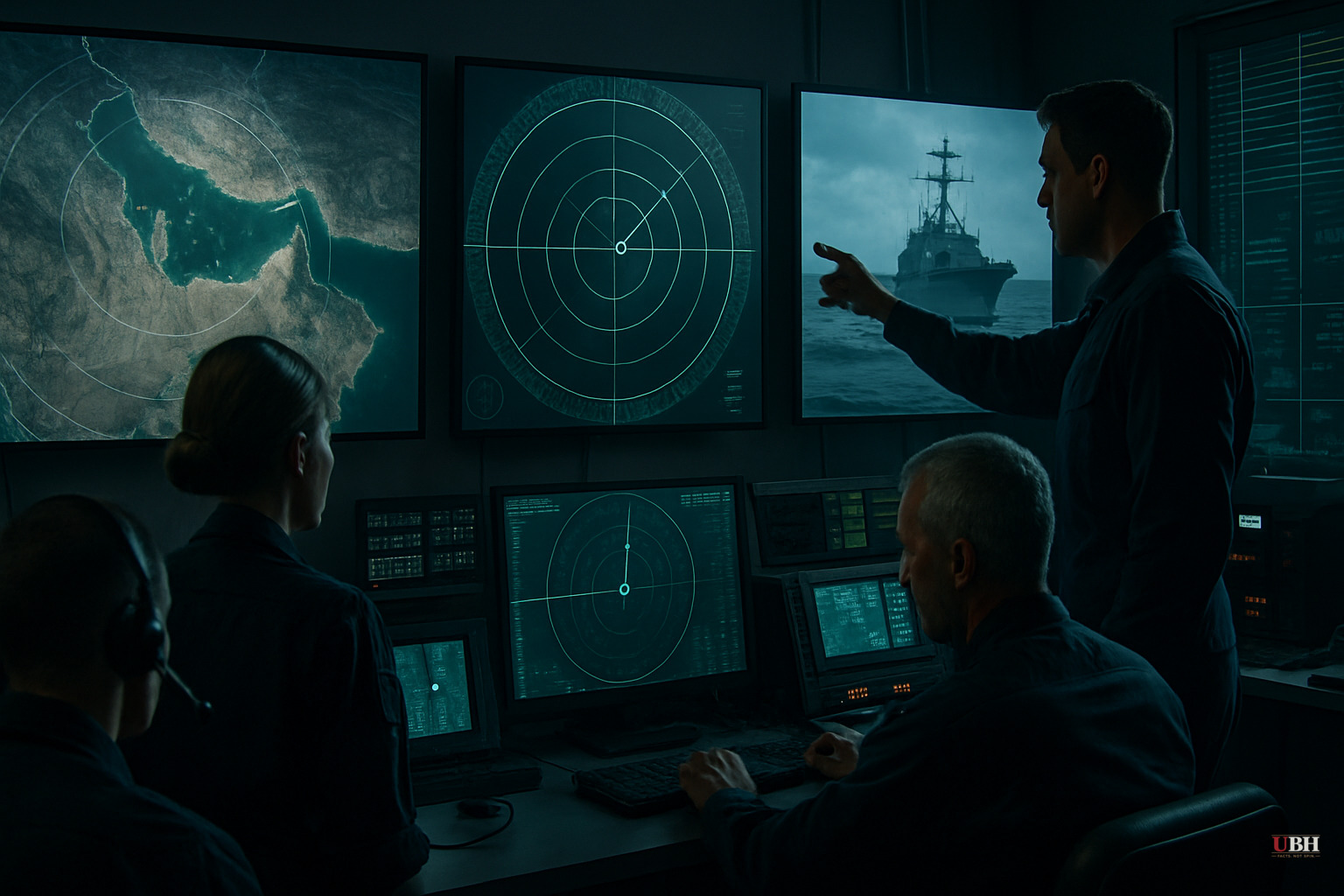
Iran's Latest Offer — And Why Washington Rejected It
Iran came to the table this week with a new proposal: reopen the Strait of Hormuz in exchange for the U.S. lifting its naval blockade, unfreezing blocked Iranian assets, and — critically — pausing all negotiations over Iran's nuclear program entirely.
An Iranian official and a senior regional official confirmed the terms to PBS NewsHour. The U.S. response, per the same sources? Already described the offer as "not good enough."
White House Press Secretary Karoline Leavitt wouldn't flatly reject the deal on Friday, saying only that it "was being discussed." That's diplomatic language for 'we haven't slammed the door yet, but don't hold your breath.'
Rubio's Red Line: Nuclear Dismantlement Is Non-Negotiable
Secretary of State Marco Rubio was less coy. Speaking to Fox News, he said any deal must "definitively prevent" Iran from "sprinting towards a nuclear weapon at any point" — meaning full dismantlement, not a pause.
Iran asking to pause nuclear talks as a condition of reopening a critical global waterway directly contradicts what Rubio said Washington requires.
Rubio also rejected Iran's push for what he called a "tolling system" in the Strait — essentially Iran charging ships a fee to pass through. He told reporters that was "not acceptable," according to CBS News. He added the U.S. and its partners "must have a Plan B" if Iran refuses to reopen the strait without conditions.
What is Plan B? Rubio didn't say. That's either a deliberate pressure tactic or a sign the administration hasn't fully figured it out yet. Possibly both.
The Blockade Is Working — 97 Ships and Counting
U.S. Central Command reported Friday that American forces have redirected 97 commercial vessels since the naval blockade of Iranian ports and Iran-associated ships began in mid-April. Four additional vessels have been disabled since the blockade started.
CENTCOM issues daily updates. The numbers tick up slowly but consistently. The blockade is not collapsing. It is holding.
The Iranian negotiating strategy depends on making the Strait of Hormuz pain mutual. Iran is betting the economic squeeze on global oil markets forces Washington to blink first. So far, Washington hasn't.
What Iran's Allies Are Doing
Iranian Foreign Minister Abbas Araghchi was in Moscow Friday meeting with Russian President Vladimir Putin. Putin called Iran's struggle "heroic." Araghchi blamed the U.S. for the lack of progress, saying American "excessive demands" and "incorrect approaches" derailed previous talks.
A Pakistani delegation also traveled to Tehran on Friday to discuss the latest proposals, according to The Independent. Islamabad is attempting to play mediator. Whether that amounts to anything substantive remains to be seen.
The Nuclear Sticking Point
Iran's proposal to pause nuclear negotiations is not a concession. It's a stall.
Pausing talks on enrichment while getting sanctions relief and asset unfreezes gives Iran economic breathing room with zero movement toward the one thing Washington says it actually needs — a verifiable end to Iran's nuclear weapons pathway.
Trump said publicly this week he wants to eventually recover Iran's stockpile of highly enriched uranium, per The Independent. The gap between "pause negotiations" and "hand over your enriched uranium" is enormous.
U.S. Also Sanctioned Iran's Ambassador in Lebanon
One development getting buried under the Strait of Hormuz headlines: the U.S. Treasury sanctioned Iran's ambassador to Lebanon, Mohammad Reza Shaibani, as part of a broader package targeting Hezbollah-affiliated parliamentarians and Lebanese state security officials.
This marks the first time Washington has sanctioned sitting Lebanese state security officials, according to CBS News — including officers from Lebanon's General Security agency and military intelligence, both accused of providing Hezbollah with intelligence and illicit support.
Iran called it "unlawful and shameless." But the move signals the U.S. is tightening the noose on Iran's regional proxy network even while peace talks nominally continue.
The Central Question
Iran wants sanctions relief and a nuclear pause. The U.S. wants permanent nuclear dismantlement. Those two positions are not close.
Oil prices keep climbing as long as the Strait stays choked. That means fuel costs, shipping costs, and everything downstream from both stays elevated.
Trump said he'd wait "a couple of days" for an Iranian response. Either Iran moves significantly on the nuclear question, or the administration has to decide whether Plan B is real — or just a headline.
Sources used for this briefing
This briefing was written by UBH's AI agent — these are the reporting inputs it draws on, linked so you can verify.


