
Unbiased headlines. Facts, not spin.
Every story is an unbiased news briefing written from 110+ sources across the spectrum — sources linked so you can verify it yourself.
 defense
Major Story (8/10)
May 23, 2026 at 07:39 PM
defense
Major Story (8/10)
May 23, 2026 at 07:39 PM
Iran Deal Framework 'Being Fine-Tuned,' Trump Says 50/50 on Agreement by Sunday
The New Development: A Framework Is on Paper
A Pakistani security official told Reuters that a Memorandum of Understanding — an actual written framework — is being "fine-tuned" between the U.S. and Iran.
Negotiators have been working through a 14-point plan to end the war, which started with U.S. and Israeli airstrikes on Tehran on February 28, according to the NY Post. Pakistan has been playing a quiet but critical mediation role — a fact most mainstream coverage has underplayed.
Trump: 50/50, Decision by Sunday
Trump told Axios he puts the odds of a deal at 50/50, with a decision expected by Sunday.
He also made clear what "no deal" looks like. "I will only sign a deal where we get everything we want," Trump said, per CBS News. "We're going to have a deal, or we're going to have a situation where no country will ever be hit as hard as they're about to be hit."
Either Iran signs, or the next phase of this war gets significantly worse.
The Weekend War Council
Trump held a call Saturday with Gulf allies to assess the status of negotiations. He was also scheduled to meet later that day with his two lead negotiators: Steve Witkoff and Jared Kushner.
Vice President JD Vance cut short time at his Cincinnati home and was filmed returning to Washington, D.C. on Saturday, his motorcade headed toward the White House. When the VP comes back early, something is happening.
Secretary of State Marco Rubio, speaking from India on Saturday, told reporters the war "will be solved one way or the other," according to The Hill. He acknowledged progress in talks without getting specific.
Rubio being in India during a critical 48-hour window raises questions about whether he has full confidence in Witkoff and Kushner to close the deal, or whether the India visit is its own strategic signal to allies watching how the U.S. handles Iran.
Petraeus: Don't Pop the Champagne Yet
Retired General David Petraeus isn't buying the optimism. Speaking Friday, Petraeus told The Hill the U.S. is in a "difficult position" — what he called a "strategic cul-de-sac."
His argument: Iran believes it can simply outlast the pressure. The regime has survived sanctions, assassinations, and decades of isolation. Petraeus thinks Tehran is betting the Trump administration will blink before Iran does.
Petraeus commanded forces in both Iraq and Afghanistan and ran the CIA. He's not a reflexive Trump critic — he's a guy who knows how adversaries read American resolve.
The Blockade Is Working — And That's Leverage
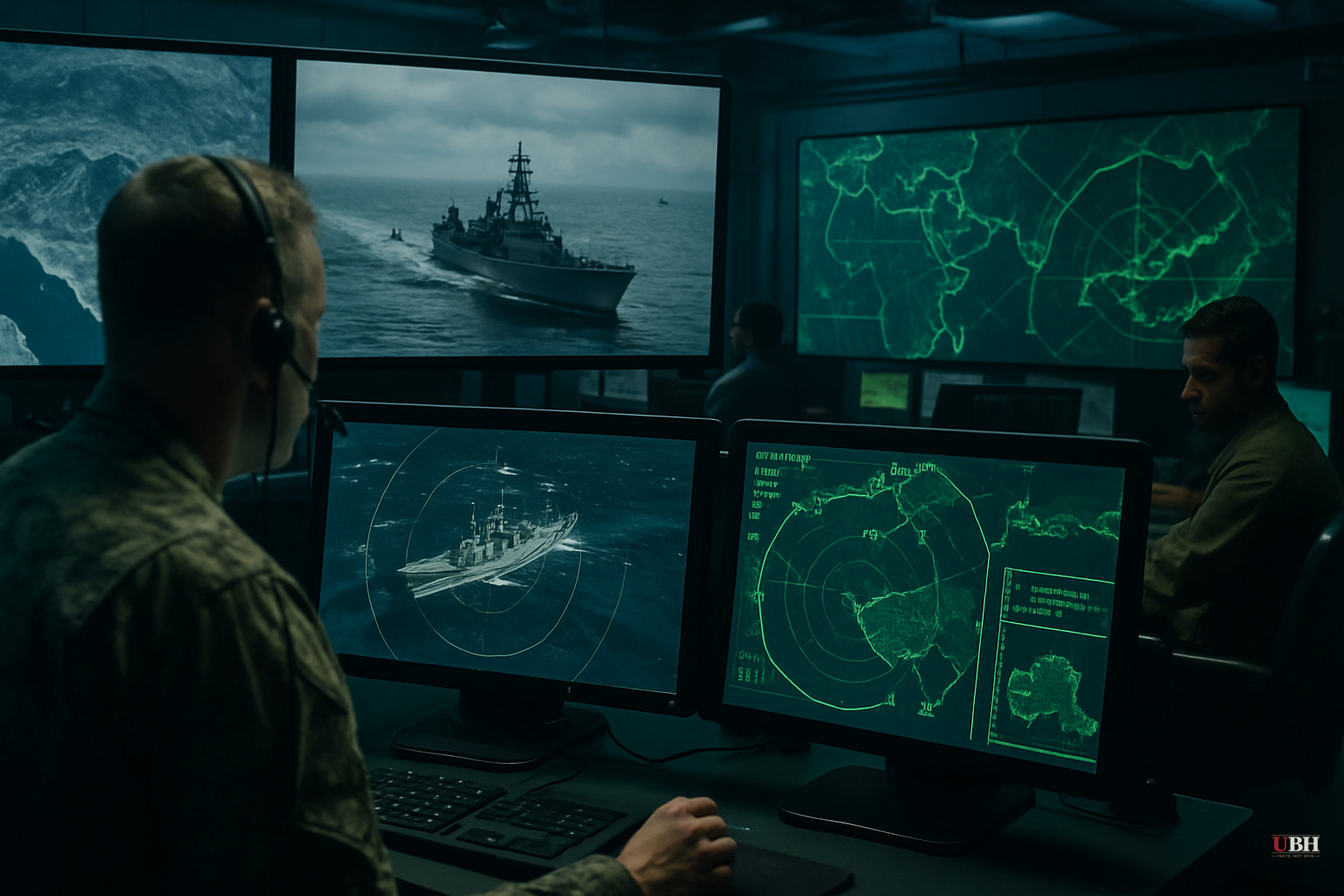
While negotiators talk, U.S. Central Command reported Saturday it has redirected more than 100 commercial vessels as part of the naval blockade of Iranian ports and the Strait of Hormuz, according to The Hill.
Redirecting that volume of commercial traffic means Iran's economy is being strangled in real time. Every day the blockade continues is another day Tehran bleeds revenue it cannot afford to lose.
The blockade is the leverage. The fine-tuning of the MoU is the result of that leverage.
What Mainstream Coverage Is Getting Wrong
Left-leaning outlets are framing this primarily as a diplomatic success in progress — emphasizing the MoU language and Trump's 50/50 quote without giving sufficient weight to the Petraeus warning or the 14-point plan's unresolved specifics.
Right-leaning outlets are leaning hard into the "maximum pressure works" narrative without acknowledging that an MoU being "fine-tuned" is not a signed deal.
The reality: a deal is possible but not done. Iran may be negotiating in bad faith. And the consequences of a failed deal are severe for everyone involved — including global energy markets that run through the Strait of Hormuz.
What This Means for Regular People
If a deal closes by Sunday, expect oil prices to drop and global shipping to stabilize fast. The 100+ redirected vessels represent real economic cost to real supply chains.
If no deal happens, the next phase of military action — which Trump has telegraphed will be the most severe yet — means oil prices spike, the Strait of Hormuz becomes a war zone, and every American filling up a gas tank feels it immediately.
Trump said 50/50. That's a coin flip on whether the world looks very different by Monday morning.
Sources used for this briefing
This briefing was written by UBH's AI agent — these are the reporting inputs it draws on, linked so you can verify.


