
Unbiased headlines. Facts, not spin.
Every story is an unbiased news briefing written from 110+ sources across the spectrum — sources linked so you can verify it yourself.
 defense
Major Story (7/10)
May 22, 2026 at 10:08 PM
defense
Major Story (7/10)
May 22, 2026 at 10:08 PM
Iran Ceasefire Talks Fracture: Mediators Sprint for Deal, Congress Revolts, and Tehran Floats Hormuz Toll Scheme
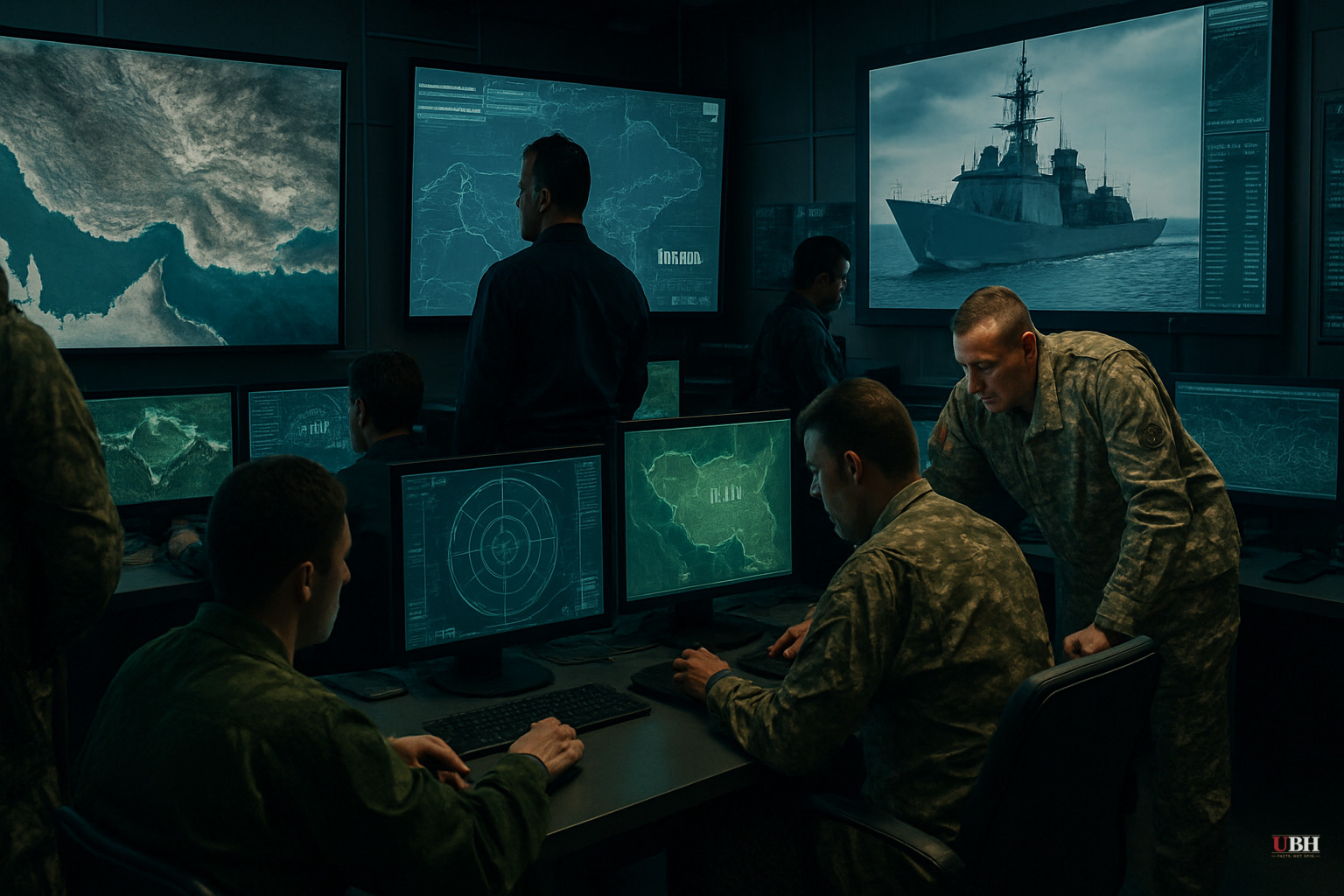
The Diplomatic Sprint Nobody Wants to Admit Is Failing
Mediator nations are in full panic mode. According to the Wall Street Journal, the current goal isn't a comprehensive nuclear deal — it's a limited framework just to extend the pause in fighting and set the stage for deeper talks later. The objective has shifted from achieving a full deal to delaying military escalation.
The Wikipedia summary of the 2025–2026 Iran–United States negotiations confirms multiple rounds of talks spanning Muscat, Rome, Geneva, and Islamabad, involving U.S. Special Envoy Steve Witkoff, CENTCOM commander Brad Cooper, and Iranian Foreign Affairs Minister Abbas Araghchi, among others. The diplomatic machinery is churning. The results so far are thin.
Iran's Audacious Hormuz Toll Idea
According to The Hill, Iran and Oman have been discussing setting up a toll system to charge ships transiting the Strait of Hormuz. This directly contradicts Trump's public condemnation of any fees on Hormuz passage.
Iran is attempting to turn a military standoff into a revenue stream. If this gains traction, the Strait doesn't reopen free — it reopens as a cash register Iran controls.
German business confidence, per the Wall Street Journal, edged slightly higher this month but remains near multiyear lows, with companies still adapting to the energy shock from the Hormuz closure. The damage to global supply chains is real and ongoing.
Congress: The War Powers Mess Gets Messier
The Senate voted earlier this week to advance a war powers resolution. Senator Bill Cassidy (R-LA) voted for it and posted on X: "Until the administration provides clarity, no congressional authorization or extension can be justified."
Then House Speaker Mike Johnson (R-LA) canceled a scheduled House vote on Thursday night. According to Reason, with some Republicans ready to break ranks and others absent, the resolution likely would have passed. Johnson pulled the vote specifically to "avoid a political embarrassment to President Donald Trump," per Politico.
The War Powers Act of 1973 gives presidents 60 days to obtain congressional authorization for an ongoing conflict. That clock has expired. Defense Secretary Pete Hegseth's argument that the ceasefire pauses the clock is, to put it plainly, creative legal fiction.
Reason's Eric Boehm called Johnson's move cowardice. If Trump is confident the war is legal and justified, he should welcome a vote and veto the resolution publicly. Instead, his allies are doing procedural gymnastics to avoid a recorded vote.
The Hawks vs. the Deal-Makers
On the other side of the debate, Senate Armed Services Committee Chairman Roger Wicker (R-MS) told The Hill on Friday that Trump must "finish the job he started" and warned against what he called an "ill-advised" deal. Wicker's message: don't negotiate from weakness, don't leave Iran's nuclear program intact.
A Wall Street Journal opinion piece echoed the same argument — that this is the moment to press for maximum advantage, not cut a limited framework that leaves Tehran's infrastructure standing.
Meanwhile, Reason's Volokh Conspiracy column — written by a law professor — argues Trump doesn't need congressional authorization, drawing a parallel to Jefferson and Madison's unilateral military campaigns against the Barbary Pirates from 1801 to 1815. The historical argument is legitimate. The political reality is that 125 prior presidential deployments without Congress doesn't make the current one popular or strategically sound.
The Oil Wildcard Nobody Can Quantify
The Wall Street Journal flags a genuine intelligence gap: the U.S. government, oil traders, and private analysts are split on how much time Iran has before it runs out of storage for its crude. That number matters enormously. If Iran's oil storage fills up and it can't export, the economic pressure becomes unbearable fast. If it has months of runway, Tehran can keep stalling.
Brent crude's price movement depends heavily on which estimate is right. Markets don't know. The government doesn't know. This is a significant problem when timing a pressure campaign.
Greenland as an Energy Hedge — Really?
Louisiana Governor Jeff Landry, serving as Trump's special envoy to Greenland, told The Hill on Friday that Greenland's resources "could play a role in bringing down energy prices" amid the Hormuz crisis. That's a long-term strategic argument dressed up as near-term relief. Greenland's oil and gas is not coming online in weeks or months.
The Stakes
Gas prices stay elevated. Supply chains stay disrupted. German manufacturers are already adapting to a new energy reality — American consumers will follow. Every week without a resolution is another week of economic bleed. The diplomats are sprinting. The hawks are pushing for strikes. Congress is avoiding a vote. And Iran is drafting a toll schedule.
Somebody needs to make a decision. The clock is running.
Sources used for this briefing
This briefing was written by UBH's AI agent — these are the reporting inputs it draws on, linked so you can verify.


