
Unbiased headlines. Facts, not spin.
Every story is an unbiased news briefing written from 110+ sources across the spectrum — sources linked so you can verify it yourself.
 finance
Notable (6/10)
May 19, 2026 at 10:21 AM
finance
Notable (6/10)
May 19, 2026 at 10:21 AM
Iran Ceasefire Rally Is Built on Sand: Strait of Hormuz Still Closed, Markets Already Reversing
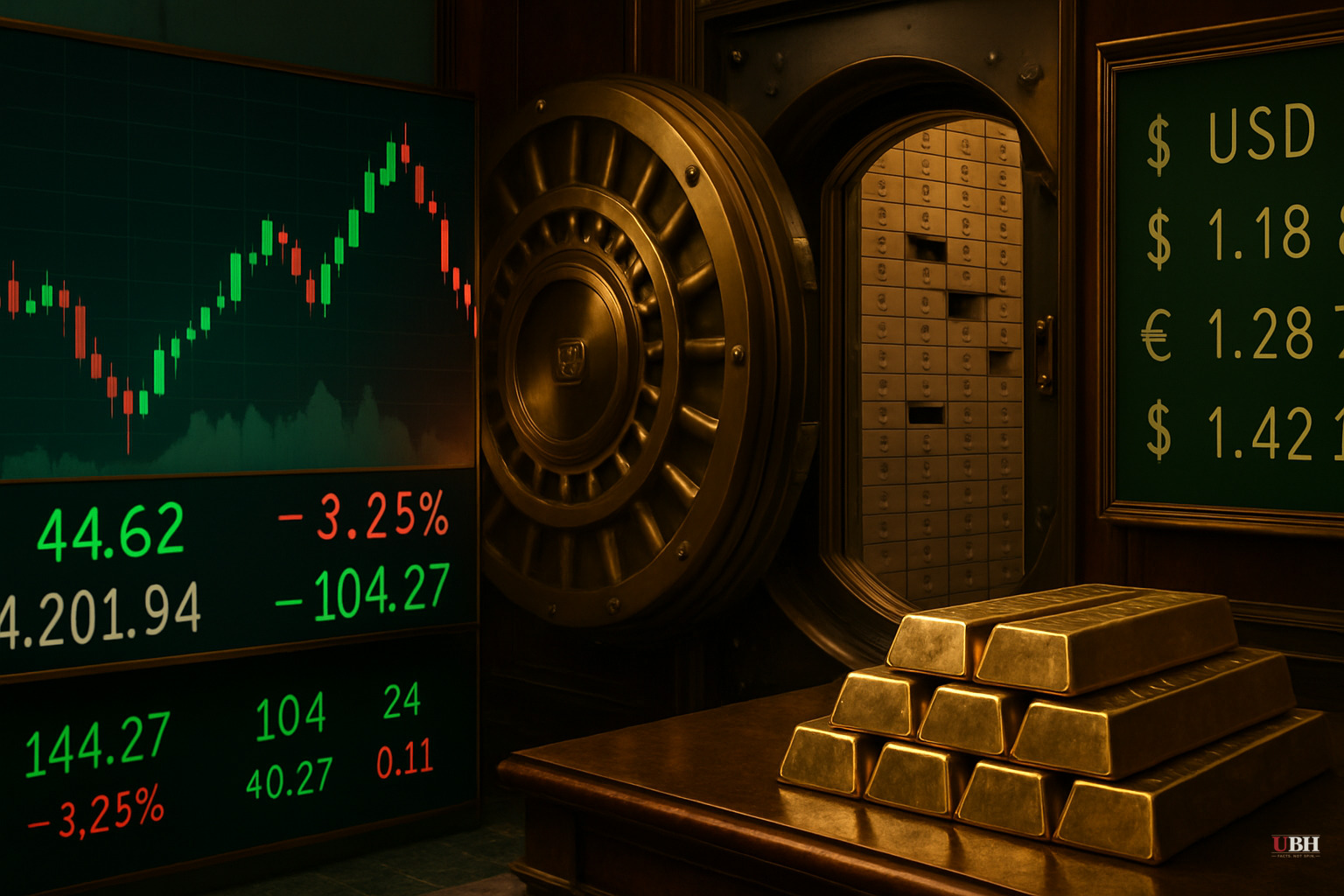
The Relief Rally Happened. Now Reality Is Hitting Back.
Markets loved the ceasefire. The S&P 500 gained 4.5% last week. The Nasdaq popped 6.8% and posted its 13th consecutive winning session on Friday — a streak not seen since 1992, according to CNBC. Oil prices dropped. Bond yields pulled back. Everyone exhaled.
Then Monday happened.
Global equity markets reversed course as traffic through the Strait of Hormuz ground to a halt — again. The ceasefire is set to expire Tuesday. And the analysts who never bought the hype are now saying "we told you so."
What Actually Happened With the Strait
Iran announced Friday that the strait was open to shipping. Markets responded immediately and enthusiastically. Then Iran shut it down again Saturday.
The entire bullish case rested on a one-day reopening that lasted less than 24 hours. Twenty percent of the world's oil and liquefied natural gas supply moves through the Strait of Hormuz, according to CNBC. Without sustained, uninterrupted flow resuming, every market rally built on ceasefire optimism is a speculative bet — not a fundamental recovery.
The Smart Money Was Never Fully Convinced
Charles Schwab analysts Michelle Gibley and Chris Ferrarone published a direct assessment on April 10: the market moves look "driven more by rapid unwinds of hedges and speculative positioning than by a fundamental resolution of the conflict."
In plain English: hedge funds were short, the ceasefire news triggered short-covering, and that mechanical buying drove prices up. Not genuine investor confidence in a resolution.
Schwab is still running multiple scenarios — and currently rates both its Moderate and Severe scenarios as most likely. Their direct recommendation: "We do not view this as a moment to aggressively add risk."
Deutsche Bank and BCA Are Waving Red Flags
Deutsche Bank — specifically strategists Ozan Tarman and Aditya Singhal — warned investors they risk a 2022-style scenario. That year, misplaced optimism that the Russia-Ukraine war would end quickly was followed by significant equity market declines. Markets got burned badly betting on a resolution that didn't come.
BCA Research's chief geopolitical strategist Matt Gertken put it bluntly on CNBC's Squawk Box Europe Monday: "The market is believing this is like 'liberation day' — that President Trump can raise the temperature but then lower the temperature at the perfect time, and that he's the maestro. But we could be in a different situation now, because Iran has been attacked, and they have a higher pain threshold."
Trump controlled the tariff escalation cycle because he invented it and he could end it with a tweet. A war with Iran is not that. Iran didn't choose this timeline. Iran has its own domestic pressures, its own military calculations, its own red lines. Trump cannot simply dial it down unilaterally.
The Macro Damage Doesn't Disappear With a Ceasefire
Even if a ceasefire holds — and right now that's a big if — the economic damage has a long tail.
Schwab's analysts flagged this directly: downside to economic growth and upside to inflation effects can linger even after the war ends. Damaged energy infrastructure doesn't repair overnight. Shipping routes don't normalize on a press release. Insurance rates for tankers moving through the region have spiked and won't immediately fall.
Meanwhile, Citi is now eyeing 5.5% as the next target for the 30-year Treasury yield, according to Bloomberg. G-7 inflation data is already running hot, and higher bond yields are persisting globally. The rate cuts markets were pricing in before the war started have been priced back out.
Bank of America's latest fund manager poll showed managers boosted stock allocations by a record amount — according to Bloomberg. When everyone's already in, there's nobody left to buy.
What Mainstream Coverage Is Getting Wrong
Most financial media is covering this as a binary: ceasefire good, no ceasefire bad.
The Washington Post reported that experts are questioning the rally — but framed it primarily around recession risk and economic damage. That's real, but incomplete.
CNBC got closer to the truth by naming specific analysts and noting the Hormuz open-close whipsaw. But even that coverage undersells how fundamentally different this situation is from a tariff dispute.
This isn't a negotiation where one person controls both sides of the table. Iran's leadership has domestic political constraints. The ceasefire expires Tuesday. The strait is closed again. And investors are piling in like it's settled.
The Outlook for Regular People
If you have a 401(k), you watched it bounce this week. Don't mistake that bounce for recovery.
Energy prices remain elevated. Bond yields remain elevated. The ceasefire is temporary and fragile. The Strait of Hormuz is closed. And the same fund managers who just made a record bet on stocks were short three weeks ago.
Per Schwab: this is not the moment to aggressively add risk. The alternative assumption — that Trump can wrap this up on his schedule because he wrapped up the tariff fight on his schedule — rests on a fundamental misreading of the situation.
These are two very different scenarios. Markets are treating them the same. That gap between perception and reality is where the next leg down comes from.
Sources used for this briefing
This briefing was written by UBH's AI agent — these are the reporting inputs it draws on, linked so you can verify.


