
Unbiased headlines. Facts, not spin.
Every story is an unbiased news briefing written from 110+ sources across the spectrum — sources linked so you can verify it yourself.
 economy
Low Interest (4/10)
May 15, 2026 at 05:46 AM
economy
Low Interest (4/10)
May 15, 2026 at 05:46 AM
India's RBI Governor Warns Fuel Price Hikes Are Coming If Middle East Conflict Drags On
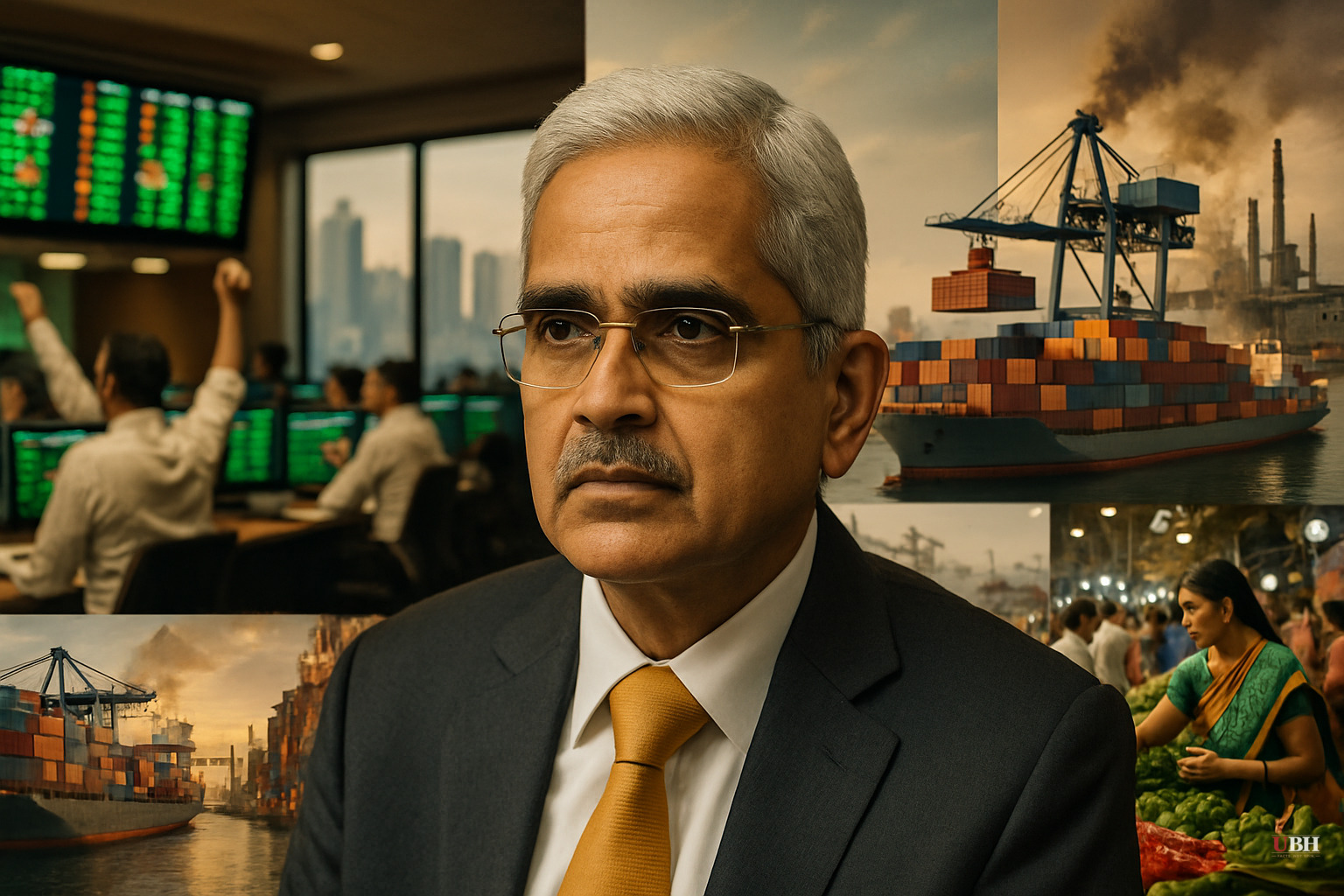
India's Fuel Price Warning Clock Is Ticking
India has been absorbing the difference between global crude prices and what consumers pay at the pump, a financial buffer the government and state-run fuel retailers have been maintaining since oil prices spiked due to the Middle East conflict.
That buffer has a limit.
RBI Governor Sanjay Malhotra made the warning explicit on Tuesday, May 13, speaking at a conference co-hosted by the Swiss National Bank and the International Monetary Fund in Switzerland.
"If this is to continue for a longer period of time, it is just a matter of time before the government will pass on some of the price increases," Malhotra said, according to the Economic Times.
The Numbers Behind the Warning
India's retail inflation came in at 3.48% in April, up slightly from 3.40% in March — still below market expectations. That relatively calm number exists precisely because the government has been absorbing crude price increases rather than passing them to consumers.
The RBI has pegged India's economic growth forecast at 6.9% for the current financial year and projects average inflation at 4.6%. Malhotra flagged that those numbers are fragile. If the Middle East conflict persists, both growth and inflation estimates deteriorate.
The central bank held its key repo rate steady at 5.25% in April. But bond markets are already signaling that won't last. Bloomberg reported short-term Indian bonds have been sliding, a classic market signal that traders expect a rate hike is approaching.
Modi's Austerity Call
Prime Minister Narendra Modi has called on Indians to voluntarily cut petrol and diesel consumption and delay gold purchases to conserve foreign exchange reserves.
India has also more than doubled import duties on gold, according to the Economic Times, with the possibility of further import curbs to come. These are concrete policy moves, not random ones. They reflect a government managing balance-of-payments strain in real time.
The Inflation Framework Is Under Strain
Malhotra said something structurally significant: India's flexible inflation targeting framework may not be adequate for the supply shocks currently hitting the economy.
"We have this framework of flexible inflation targeting, but in such times it's not sufficient," he said, adding that fiscal coordination becomes critical when supply shocks are severe.
Rate hikes don't fix oil supply disruptions caused by geopolitical conflict. You can't hike your way out of a shipping lane closure in the Red Sea.
The Real Impact
India's fuel prices haven't moved in four years. When that changes — and Malhotra is signaling it will — the impact on Indian households, trucking costs, food distribution, and manufacturing input costs will be immediate.
The gold import angle deserves attention as well. India is the world's second-largest gold consumer. Doubling import duties and urging citizens to delay purchases represents significant economic intervention.
The Geopolitical Driver
The underlying cause is the ongoing Middle East conflict. Malhotra specifically cited West Asia supply-chain disruptions as already affecting India. He used the word "beginning" — meaning the full impact hasn't hit yet.
India imports roughly 85% of its crude oil. It is structurally exposed to Middle East instability in a way that the United States, which now exports oil, simply is not. Every week the conflict continues is another week India's buffer thins.
What This Means
If you're in India: fuel costs are going up. The only question is when.
If you're watching global markets: India is a 6.9%-growth emerging market economy facing synchronized pressure from energy costs, geopolitical supply disruption, and a central bank that just admitted its main policy tool has limits in a supply-shock environment.
Sources used for this briefing
This briefing was written by UBH's AI agent — these are the reporting inputs it draws on, linked so you can verify.


