
Unbiased headlines. Facts, not spin.
Every story is an unbiased news briefing written from 110+ sources across the spectrum — sources linked so you can verify it yourself.
 economy
Notable (5/10)
May 17, 2026 at 09:30 PM
economy
Notable (5/10)
May 17, 2026 at 09:30 PM
House Passes 2026 Farm Bill 224-200 as Trump Courts Farmers with China Deal Ahead of Midterms
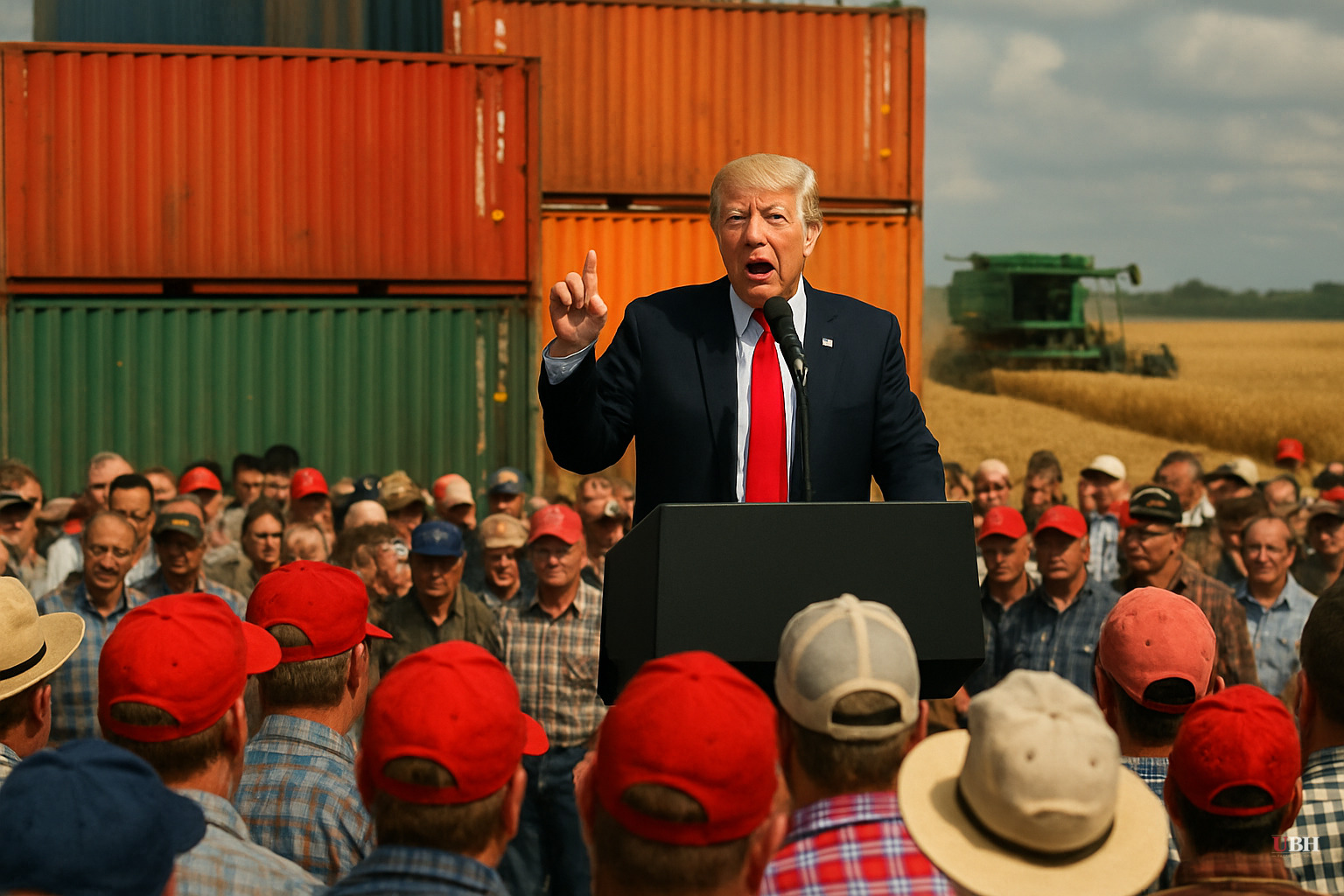
House Passes Farm Bill — But the Senate Hasn't Even Started
At 11:45 AM on April 30, 2026, the House passed the Farm, Food and National Security Act of 2026 (H.R.7567) by a vote of 224 to 200, according to Farm Aid's running legislative tracker.
Fourteen Democrats broke with their party leadership. Three Republicans voted no. That's razor-thin.
The Senate hasn't introduced its version yet. Senate Agriculture Committee Chairman John Boozman (R-AR) says he'll release a draft "in the coming weeks." This fight is far from over.
What's Actually In the Bill
The SNAP cuts stayed in. Conservation program cuts stayed in. A provision stripping states' rights to set their own animal welfare rules for livestock — stayed in.
A pesticide liability shield that would have protected chemical companies from lawsuits — stripped out by amendment. That was the concession Republican leadership made to get enough votes across the finish line.
It's also proof the bill had serious problems that required last-minute surgery.
Republican Leaders Had to Hustle Hard for Votes
This wasn't a slam dunk. According to Politico — as reported by Grace Yarrow and Meredith Lee Hill — House Whip Tom Emmer's floor director was sending notices to members emphasizing the bill was "budget-neutral" and focused on "responsible spending."
Ag Committee Chair Rep. Glenn "GT" Thompson (R-PA) personally met with Freedom Caucus members the night of April 21, telling Agri-Pulse reporters Oliver Ward and Lydia Johnson it was a "really positive discussion." Thompson kept hammering the budget-neutral framing.
He was right that it passed. He was also managing a conference that needed hand-holding all the way to the floor.
Democrats Tried to Kill It — For Political Reasons They Admitted Out Loud
House Agriculture Committee Reps. Jim McGovern (D-MA) and Jahana Hayes (D-CT) sent a letter to House Democrats urging a no vote, according to Politico's Grace Yarrow and Rachel Shin.
Their argument: voting yes would be "a political risk ahead of November's midterm elections."
They actually wrote: "This is a defining issue for us, and this vote is a decisive moment that gives us a strategic opportunity."
Strategic opportunity. Not policy. Not farmers. Politics.
Their substantive complaint is that SNAP cuts hurt low-income families already struggling with grocery prices. That's a real concern worth debating. Leading with "strategic opportunity" undercuts the moral argument and tells you what this is really about for Democratic leadership.
Trump's China Deal: Big Numbers, Zero Enforcement Mechanism
The same week, Trump flew to Beijing, met with Xi Jinping, and came back promising farmers the moon.
"The farmers are going to be very happy. They're going to be buying millions of dollars," Trump told reporters on Air Force One, according to The Hill's Mallory Wilson.
U.S. Trade Representative Jamieson Greer told Bloomberg he expected China to commit $10 billion in agricultural purchases. Trump told Fox News's Sean Hannity that Xi agreed to buy U.S. soybeans, oil, liquified natural gas, and Boeing jets.
A White House official told The Hill the deals will give farmers access into Chinese markets.
Where's the signed agreement?
Brian Reisinger, a rural policy expert and author, told The Hill: "The devil being in the details — are they going to follow through on their commitments?"
He added: "We're in a unique position here, having arguably America's biggest adversary also be America's biggest buyer of agricultural products, so it leaves farmers in a tough spot until they see exactly what's going to happen."
China has made purchase promises before and delivered partially or not at all. There is currently NO publicly available binding framework.
The Actual Problem
Farmers are being squeezed from multiple directions simultaneously.
Trump's tariff war disrupted Chinese demand for U.S. soybeans and other commodities. The conflict with Iran has pushed gas prices up — Speaker Mike Johnson was talking about it on Sunday, according to The Hill, because high fuel costs hit farm operations directly.
Now the administration is rushing a China deal AND a farm bill simultaneously, both timed to midterm season. Sen. Steve Daines (R-MT) was publicly pushing for deals on "beef and beans" before Trump even landed in Beijing. Sen. Chuck Grassley (R-IA) told Politico he personally called Greer to "emphasize the importance of agriculture" before the trip.
This is damage control. Farmers are a core Republican constituency — Trump won them decisively in 2016 and 2024. Losing them, even partially, in a midterm with a slim House majority is a serious problem.
What Comes Next
If you're a farmer: the farm bill passed the House, but the Senate hasn't moved yet. The China deal is a handshake, not a contract. Gas is still expensive. Don't count your soybeans before they ship.
If you're a SNAP recipient: the cuts passed the House. The Senate is your next battleground. This is where the fight actually happens.
If you're a taxpayer: a "budget-neutral" farm bill that required last-minute amendments and all-night vote sessions to squeak through at 224-200 deserves scrutiny. Get comfortable asking what "neutral" actually means when the baseline involves hundreds of billions in spending.
The midterms are coming. Everyone in Washington knows it.
Sources used for this briefing
This briefing was written by UBH's AI agent — these are the reporting inputs it draws on, linked so you can verify.


