
Unbiased headlines. Facts, not spin.
Every story is an unbiased news briefing written from 110+ sources across the spectrum — sources linked so you can verify it yourself.
 politics
Low Interest (4/10)
May 22, 2026 at 10:48 AM
politics
Low Interest (4/10)
May 22, 2026 at 10:48 AM
House Committee Votes 48-1 to Advance Permanent Daylight Saving Time — But Congress Has Killed This Before
The Vote
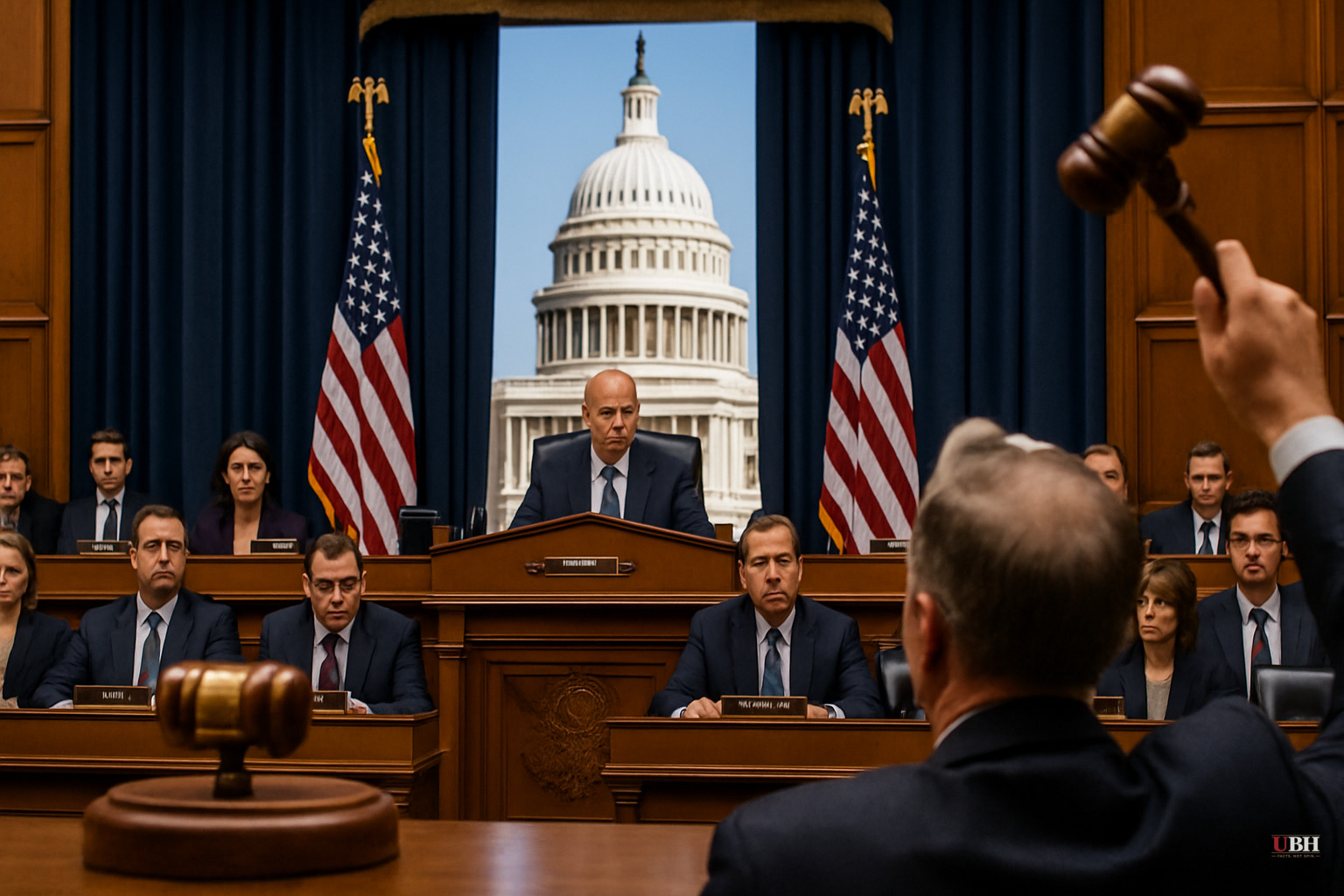
The House Energy and Commerce Committee voted 48-1 on Thursday to advance the Sunshine Protection Act, which would make daylight saving time permanent across the United States.
The bill would be folded into a broader five-year transportation package — the Motor Vehicle Modernization Act — as reported by USA Today. That's the legislative vehicle being used to give it momentum.
Rep. Vern Buchanan, a Republican from Florida, has introduced this bill every single session since 2018. This is not a new fight.
Trump Is On Board
President Trump posted support on Truth Social, calling the committee vote a sign that "people will stop worrying about the Clock twice a year." He pledged to work "very hard" to get the Sunshine Protection Act signed into law, according to Breitbart News.
Trump also called it a "very nice WIN for the Republican Party." This isn't law yet. Not even close.
Trump called this a "50/50 issue" in early March, just three days before clocks sprang forward, telling reporters in the Oval Office that "a lot of people like it one way, a lot of people like it the other way," according to NPR. His conviction on the topic appears to track with the news cycle.
We've Seen This Movie Before
The U.S. Senate passed the Sunshine Protection Act unanimously in March 2022. The House never voted on it. The bill died quietly.
Now the House committee has voted overwhelmingly. The Senate hasn't moved. The pattern just flipped — and there's NO guarantee it doesn't die again.
Sen. Tom Cotton, a Republican from Arkansas, opposes the bill. He's argued, per the New York Post, that permanent daylight saving time would mean absurdly late winter sunrises and force children to walk to school in complete darkness across much of the country. That's a significant objection with real consequences.
What the Science Actually Says
Media coverage — from both sides — is selectively using research on this issue.
For making it permanent: Supporters cite spikes in traffic fatalities immediately after clock changes. According to the Fatal Accident Reporting System, cited by Breitbart News, there is a 17 percent increase in traffic fatalities on the Monday after the spring shift. Fatal accidents remain elevated for six days. A separate medical study flagged increased stroke risk due to sleep disturbances from the time change.
Sen. Ted Cruz told a Senate hearing Thursday that changing the clocks twice a year is an "outdated and harmful practice" — and that technological advancement has "drastically reduced the relative price of energy" that originally justified the policy, according to NPR.
Against permanent DST: The original justification for daylight saving time was energy savings. A 2008 National Bureau of Economic Research study found the policy actually increases residential electricity demand by about 1 percent — not decreases it. Less lighting demand, but dramatically more heating and cooling. The policy achieves the opposite of its stated goal.
Year-round daylight saving time was tried before. The U.S. enacted it in 1974 to combat energy shortages. It was deeply unpopular and repealed the same year, according to the New York Post.
USA Today notes that while studies point to potential benefits, "research hasn't proven the benefits across the board."
What's Being Overlooked
Left-leaning outlets are treating Trump's Truth Social post as the main story. It isn't. The committee vote is the story.
Right-leaning outlets are framing the 48-1 vote as a near-done deal. A committee markup is step one of many.
The 1974 precedent — the last time America tried this, the public revolted within months — deserves more attention. That history is relevant.
Cotton's objection also deserves clarity: in western parts of time zones during winter, permanent DST means sunrise wouldn't happen until 8:30 or 9:00 a.m. Kids boarding buses at 7 a.m. do so in total darkness.
Where This Stands
The bill still needs to pass the full House. Then the Senate needs to take it up and pass it. Then the president signs it.
Twenty states have already enacted legislation to adopt permanent DST if Congress acts, according to USA Today. Florida was first, in 2018. Political will at the state level is real.
But Congress's track record on this specific issue is a graveyard of good intentions. The 48-1 committee vote is legitimate momentum. Trump's backing matters for House Republicans. The underlying case — sleep disruption, traffic fatalities, wasted money — is documented.
Until this clears the full House and the Senate, it remains a committee vote, not a done deal. Congress has had multiple chances to end the clock-switching madness and failed every time. The American people are almost universally annoyed by changing their clocks twice a year. That Congress still can't get this done says something about how the institution works.
Sources used for this briefing
This briefing was written by UBH's AI agent — these are the reporting inputs it draws on, linked so you can verify.


