
Unbiased headlines. Facts, not spin.
Every story is an unbiased news briefing written from 110+ sources across the spectrum — sources linked so you can verify it yourself.
 defense
Low Interest (4/10)
May 19, 2026 at 12:27 PM
defense
Low Interest (4/10)
May 19, 2026 at 12:27 PM
Hostage Rescue Missions Are Among the Most Dangerous Operations in the U.S. Military — Here's What That Actually Means
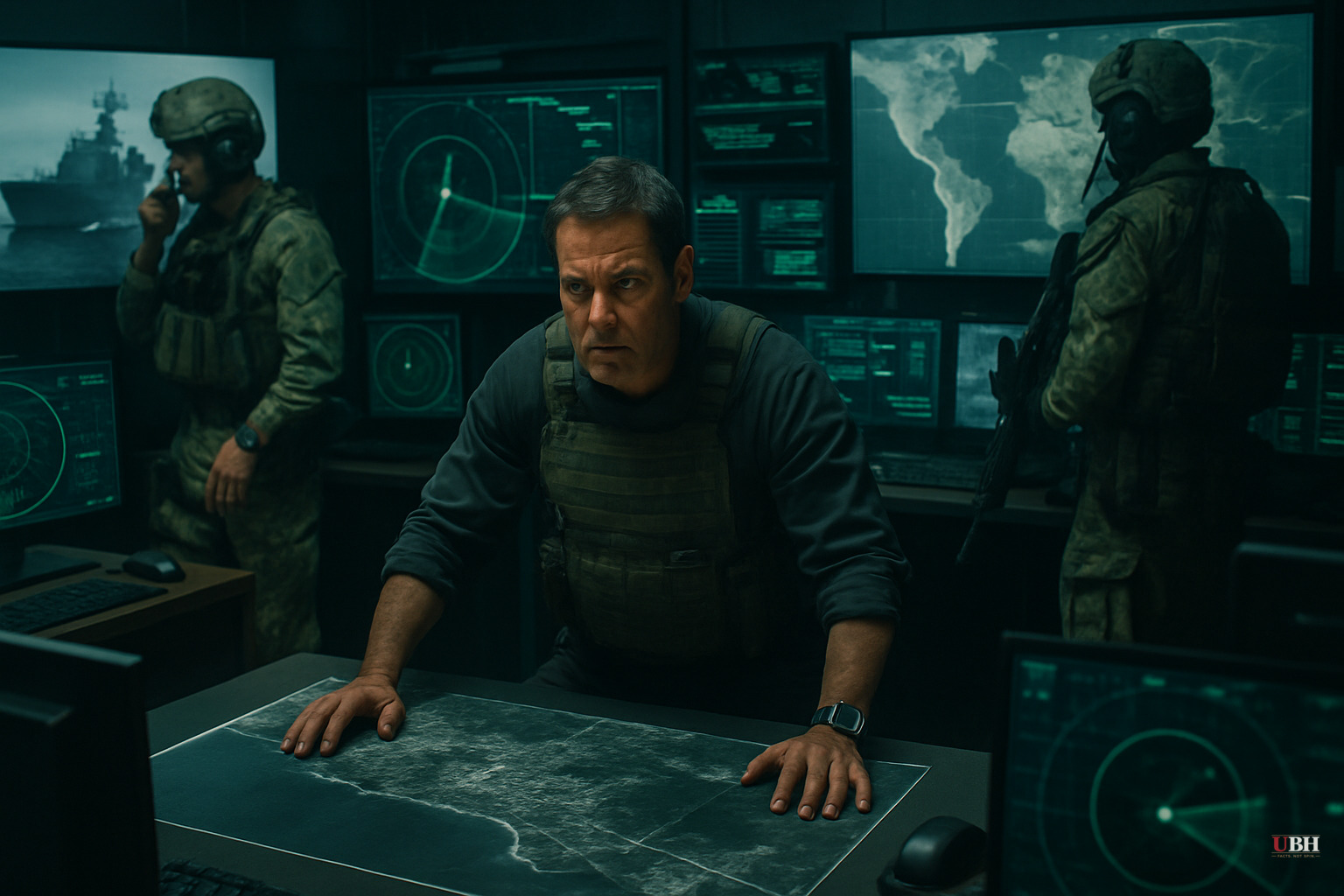
The Hardest Mission in Special Operations
Hostage rescue is not a movie. It is the single most operationally complex, time-pressured, and lethal mission that American special operations forces execute.
Delta Force — officially called the 1st Special Forces Operational Detachment-Delta — and SEAL Team 6, officially known as the Naval Special Warfare Development Group (DEVGRU), are the two units the U.S. government calls when a hostage's life is on the line. Both units are tier-one. Both operate in the shadows. And both have paid in blood.
Fox News reported that operators from these units have described the dangers as extreme. The operational record confirms it. In 2009, SEAL Team 6 snipers shot three Somali pirates simultaneously from a moving vessel in rough seas, rescuing Captain Richard Phillips. In December 2014, DEVGRU attempted to rescue American journalist Luke Somers from al Qaeda in the Arabian Peninsula (AQAP) in Yemen. Somers died during the operation. So did South African aid worker Pierre Korkie — who was just hours away from being released through a separate negotiated deal his family had arranged.
The Wins and the Losses
In 2010, DEVGRU attempted to rescue British aid worker Linda Norgrove in Afghanistan. She was critically wounded during the rescue and died after extraction. A subsequent investigation found a U.S. grenade may have caused her fatal wounds.
These are not outliers. They reflect the operational reality of what hostage rescue looks like.
Why These Missions Are This Hard
The math is brutal. Hostage-takers know rescue teams are coming. They have every incentive to move the hostage, use them as a human shield, or execute them at the first sign of entry.
Time works against the rescuers. Intelligence degrades. Locations change. The window to act is often measured in hours, sometimes minutes.
The operators themselves face a scenario where any mistake — a stray round, a grenade fused wrong, a door that opens the wrong way — kills the person they came to save. And they're doing this in foreign countries, at night, against enemies who have nothing to lose.
Delta Force has historically been the lead unit for land-based hostage rescues. DEVGRU handles maritime and high-value target missions, but the lines blur at the tier-one level. Both train constantly for this specific mission set. Both maintain assault squadrons specifically structured around hostage rescue architecture.
The Ransom Question
The United States maintains a firm no-ransom policy. Pay terrorists, and you fund the next kidnapping. That logic is sound.
But multiple European governments pay ransoms, quietly, through intermediaries. France. Spain. Italy. Their citizens come home. American and British citizens often don't.
After Somers was killed in 2014, there was significant pressure on the Obama administration to revisit the no-ransom policy. The administration did not change course. Every ransom paid is seed money for the next hostage-taking operation. But the human cost of that policy is real.
What Mainstream Coverage Gets Wrong
Most media coverage of special operations falls into one of two failure modes.
Mode one: hagiography. Every operator is a superhero, every mission is a triumph, every failure gets buried or minimized. This sells books and movies. It does not reflect reality.
Mode two: politicized second-guessing. When a mission fails under a Republican president, it's a botched cowboy operation. When it fails under a Democrat, it's a tragic but noble attempt. The framing shifts based on who's in the Oval Office, not on the operational facts.
The actual story is more honest: these units are extraordinarily capable, operating at the absolute edge of what human beings can do, in conditions that guarantee some percentage of missions will fail regardless of how good the operators are.
What This Means
If an American is taken hostage overseas, the government will not pay a ransom. Policy is firm on that.
It will consider a rescue operation, but only if intelligence supports one and the risk calculus is survivable. If it doesn't, the answer will be no.
The families of hostages are often left in a brutal no-man's land — told not to pay ransoms themselves (which can violate federal law), told rescue may not be possible, and told to wait.
The operators who would execute the rescue are among the best human beings this country has ever produced. The policy framework around them is imperfect and has cost lives.
Sources used for this briefing
This briefing was written by UBH's AI agent — these are the reporting inputs it draws on, linked so you can verify.


