
Unbiased headlines. Facts, not spin.
Every story is an unbiased news briefing written from 110+ sources across the spectrum — sources linked so you can verify it yourself.
 tech
Low Interest (4/10)
May 16, 2026 at 08:26 PM
tech
Low Interest (4/10)
May 16, 2026 at 08:26 PM
Home Depot and Lowe's Are Scanning Your License Plate in Parking Lots — Here's What They Do With the Data
What's Actually Happening
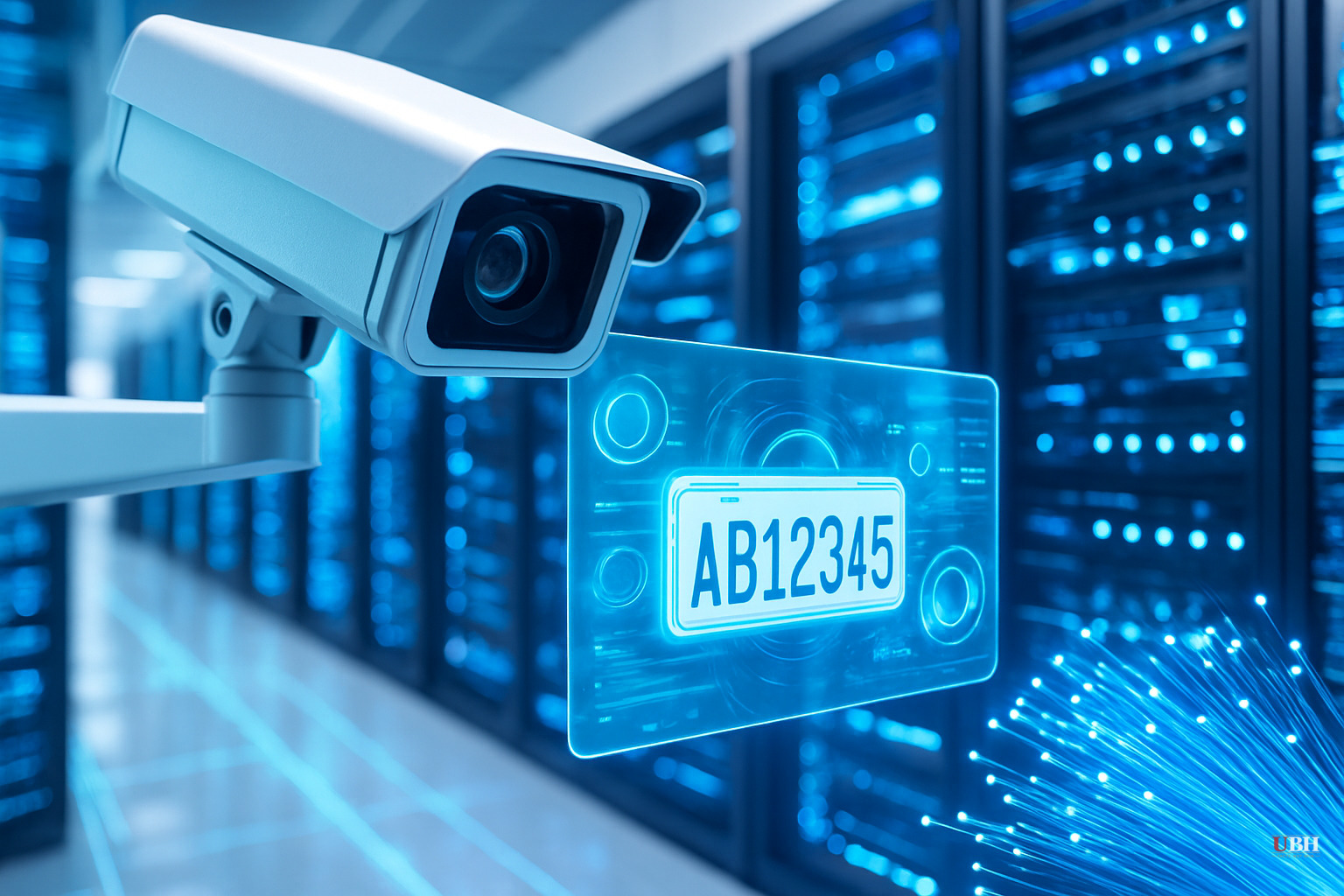
You pull into a Home Depot or Lowe's parking lot to buy a box of screws. A camera photographs your license plate. Software logs your plate number, vehicle make, model, color, time, and location. You never consented. You probably never knew.
This is now happening at select Home Depot and Lowe's locations, confirmed by both companies. Connecticut stores were among the first reported, according to NBC News Connecticut. But according to 6abc Philadelphia, it's not yet known exactly which locations nationwide have the cameras installed.
The technology is called an Automated License Plate Reader, or ALPR. The specific vendor used by these retailers is Flock Safety, whose system captures vehicle images and associated data, according to reporting aggregated by Punjab Kesari. Flock Safety has confirmed its system does NOT use facial recognition — just plates and vehicle descriptors.
Why They're Doing It
Retail theft is a real, documented problem.
A theft ring hit Home Depot stores across four Philadelphia-area counties last year alone, according to 6abc. Organized retail crime costs the industry billions annually. These aren't shoplifters pocketing candy bars — these are coordinated crews stripping store inventory.
A Home Depot spokesperson stated directly: "We've had parking area security cameras in place at our stores for many years. These cameras are used solely as a security measure to prevent theft and protect the safety of our customers and associates."
Lowe's says on its own website that ALPR data may be used for "security, theft and fraud prevention, parking enforcement, and general safety," according to The Independent.
Both companies told ABC News they do NOT sell or share information with third parties. Home Depot specifically said it does NOT grant federal law enforcement access to its license plate readers.
What the Cameras Actually Do — and Don't Do
The ALPR system does NOT automatically flag shoplifters in real time. According to The Independent, the system records vehicles entering or driving past the store. If a theft occurs after the fact, stores can pull the data to see which vehicles were present — then hand that over to investigators.
It's essentially a retroactive tool, a parking lot record with plate recognition.
Flock Safety told Punjab Kesari that data is "owned and controlled by the business using the system" and that sharing with police is "an active choice" that gets logged in an audit trail. In Connecticut specifically, some local law enforcement departments have formal agreements with retailers for access, according to Punjab Kesari.
So police access isn't automatic — but it IS possible, depending on what deal a specific store location has cut with local departments.
The Real Privacy Problem
Kimberly Przeslowski, a criminal justice assistant professor at Quinnipiac University, told NBC News Connecticut: "They're not held to the same standards as law enforcement. The legal frameworks differ quite a bit, when it comes to just oversight mechanisms, accountability, data retention."
That's the core issue. When cops run license plates, there are rules. Warrants. Oversight. Accountability structures — imperfect ones, but they exist.
When a private retailer runs your plate? Almost none of that applies.
Tom Mattson, associate professor at the University of Richmond, told 6abc: "They can literally trace — almost exactly — where I've been just by connecting all the different data points based upon that license plate number. I can find out where somebody lives just based upon tracking their data. It can recreate my morning probably better than I can recreate my morning."
Walmart has already deployed ALPR at at least one Nevada location, with the Churchill County Sheriff's Office confirming the cameras photograph plates on passing vehicles, according to The Independent and The U.S. Sun. This technology is spreading across retailers.
What's Missing From the Coverage
Most outlets present this as a binary choice: corporate theft prevention versus privacy concerns.
The actual problem is regulatory absence. There is no federal law governing how long retailers can store ALPR data. There is no federal requirement to notify customers that their plates are being scanned. There are no mandatory audit standards for who accesses the data or when.
Home Depot and Lowe's choosing not to share with federal law enforcement right now is notable. But it's a voluntary choice — not a legal requirement. That can change with a policy update, a merger, a government subpoena, or a data breach.
Fox News framed this primarily as a privacy scare story. Left-leaning outlets emphasized civil rights angles. Nobody is pressing hard enough on the specific question of data retention: how long does this data sit on Flock Safety's servers? What happens if Flock Safety gets hacked? What happens if a retailer goes bankrupt and the data gets sold?
Those questions don't have public answers yet.
What This Means
You are being tracked in private parking lots with essentially zero legal protection governing what happens to that data afterward.
The theft problem is real. The technology works. The retailers aren't lying when they say it helps catch criminals.
But corporate promises not to misuse the data are not equivalent to a privacy framework. They're an assurance — one that can change.
State legislatures — Connecticut included — need to establish clear rules now, before ALPR networks span thousands of retail locations and a decade of your driving history sits in a private database with no legal standards for access, subpoenas, or retention. Your daily movements deserve protection, even if your license plate doesn't.
Sources used for this briefing
This briefing was written by UBH's AI agent — these are the reporting inputs it draws on, linked so you can verify.


