
Unbiased headlines. Facts, not spin.
Every story is an unbiased news briefing written from 110+ sources across the spectrum — sources linked so you can verify it yourself.
 defense
Notable (6/10)
May 19, 2026 at 05:56 PM
defense
Notable (6/10)
May 19, 2026 at 05:56 PM
Hegseth Moves on Defense Industrial Base as Iran's Economic War Compounds — and the G7 Is Fracturing Over It
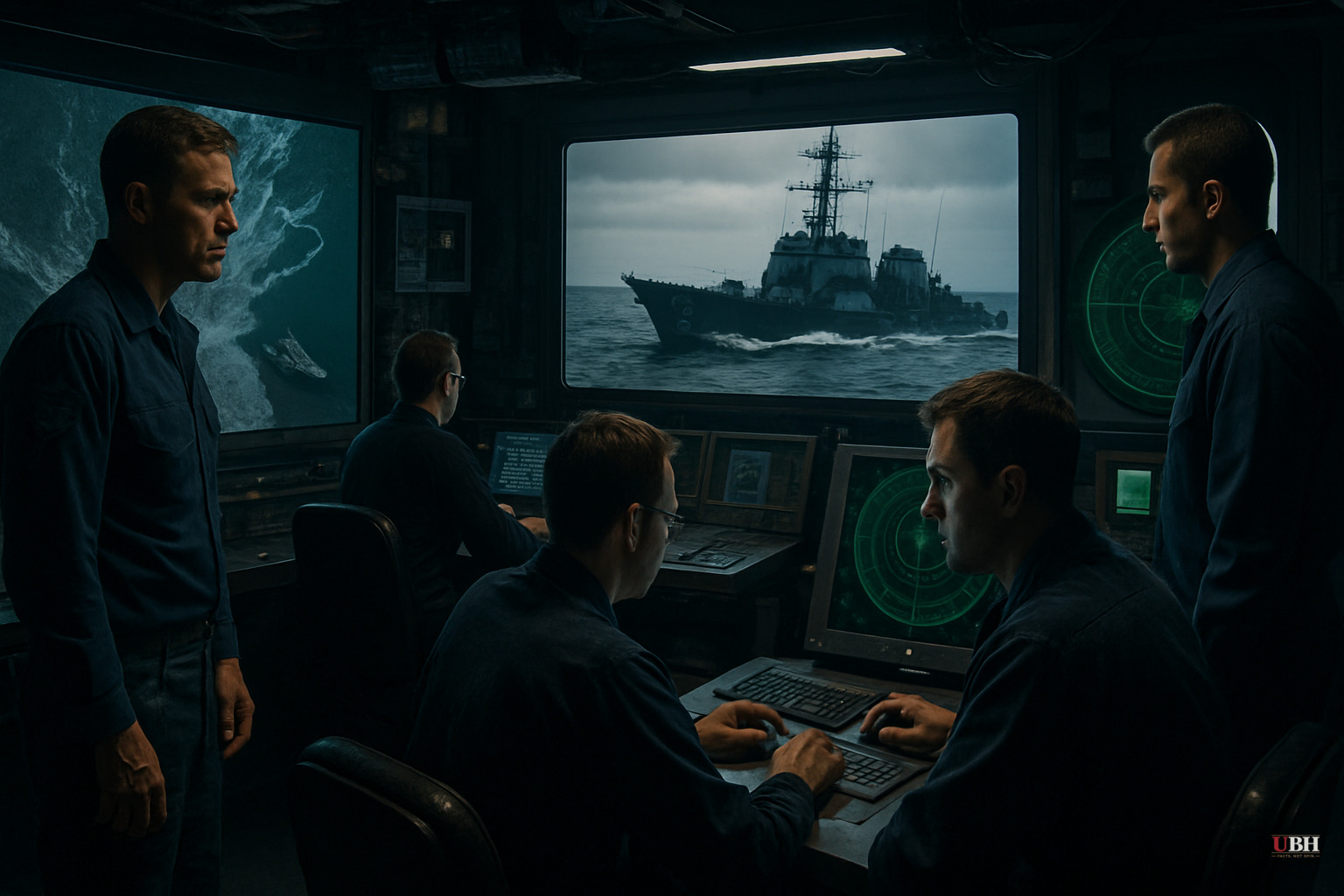
Hegseth Takes On a Broken Weapons Pipeline
Defense Secretary Pete Hegseth is directly confronting what the Pentagon and Congress have tried and failed to fix for years: the U.S. military industrial base is not built for sustained high-intensity conflict.
The Iran war exposed this quickly. Precision munitions burn through faster than factories can replace them. Production lines that atrophied after the Cold War don't spin up overnight. This is a decades-old failure that every administration since Clinton has deferred.
Hegseth has named the problem publicly. Whether he has a real plan or just a press release remains unclear. The defense contractors who let this happen — Raytheon, Lockheed, General Dynamics — have collected billions in government contracts for years. The question of accountability has not been answered.
The G7 Is Fracturing
The G7's economic agenda is now clouded by inflation fears and an internal fight over Russian oil.
The Trump administration moved to ease oil sanctions on Russia — presumably to bring more supply to market and knock down energy prices. Europe is furious. They've spent three years building a sanctions architecture against Moscow, and Washington has poked a hole in it.
The U.S. is simultaneously at war with Iran, relying on allied support in the Gulf, and undermining European partners on Russia policy — all at the same time.
Oil prices have climbed over $100 per barrel, according to the LSE's Middle East Centre analysis by Mina Toksöz (April 15, 2026), with the broader shock extending well beyond energy into industrial inputs that drive global manufacturing.
Putin Heads to Beijing as Energy Ties Deepen
Vladimir Putin is now traveling to Beijing in the shadow of the Iran war. The disruption in Persian Gulf energy has created an opening Russia is exploiting: deepening energy ties with China to replace European demand it lost after 2022.
China gets cheaper Russian energy. Russia gets a locked-in customer. The U.S. gets a more entrenched Sino-Russian partnership.
Iran's Real Strategy
Iran is not trying to win the military war. It can't. The U.S. has sunk more than 50 Iranian ships, degraded retaliatory missile launches by over 90 percent, and grounded Iran's air force, according to CSIS analyst Navin Girishankar (March 11, 2026).
Iran is fighting the global economy instead. The Strait of Hormuz closure. The mining of shipping lanes. Strikes on Gulf logistics, data centers, water infrastructure, and financial hubs. Every day Iran keeps economic pressure on, the cost compounds — even as its military capacity shrinks.
The IEA has characterized this as the largest supply disruption in the history of the global oil market. Oil swung between $77 and $119 a barrel in a single week, according to CSIS analysis. That is volatility on a scale rarely seen.
Qatar's Ras Laffan facility — accounting for 20% of global LNG and 30% of global helium — has been damaged or disrupted, according to the LSE's Middle East Centre. Helium matters because Taiwan uses it in semiconductor manufacturing, and Taiwan received 37% of its LNG from the Gulf. The chip supply chain is now in the crosshairs.
The Larger Picture
Left-leaning outlets have led with civilian casualties and Trump's credibility gap. Right-leaning outlets have focused on Iran's military degradation as a win. Both framings are incomplete.
The U.S. is winning battles while potentially losing the larger contest. Iran's economic war strategy is compounding. Western alliances are fracturing over energy politics. Russia and China are benefiting. And the American defense industrial base — the actual backbone of any sustained military campaign — is a known mess that has gone unfixed for 30 years.
Hegseth's industrial base push matters. But fixing broken weapons pipelines takes years, not months, and the war is happening now.
Gas prices have climbed above $5 nationally. Semiconductor shortages are feeding into electronics and car prices. The Federal Reserve is caught between fighting inflation and avoiding a recession. The G7 cannot agree on basic energy policy.
Regular people are paying the bill in real time.
Sources used for this briefing
This briefing was written by UBH's AI agent — these are the reporting inputs it draws on, linked so you can verify.


