
Unbiased headlines. Facts, not spin.
Every story is an unbiased news briefing written from 110+ sources across the spectrum — sources linked so you can verify it yourself.
 economy
Low Interest (4/10)
May 15, 2026 at 10:46 PM
economy
Low Interest (4/10)
May 15, 2026 at 10:46 PM
FAA Needs 8,900 Air Traffic Controllers by 2028. It's Been Failing to Hit Hiring Targets for Over a Decade.
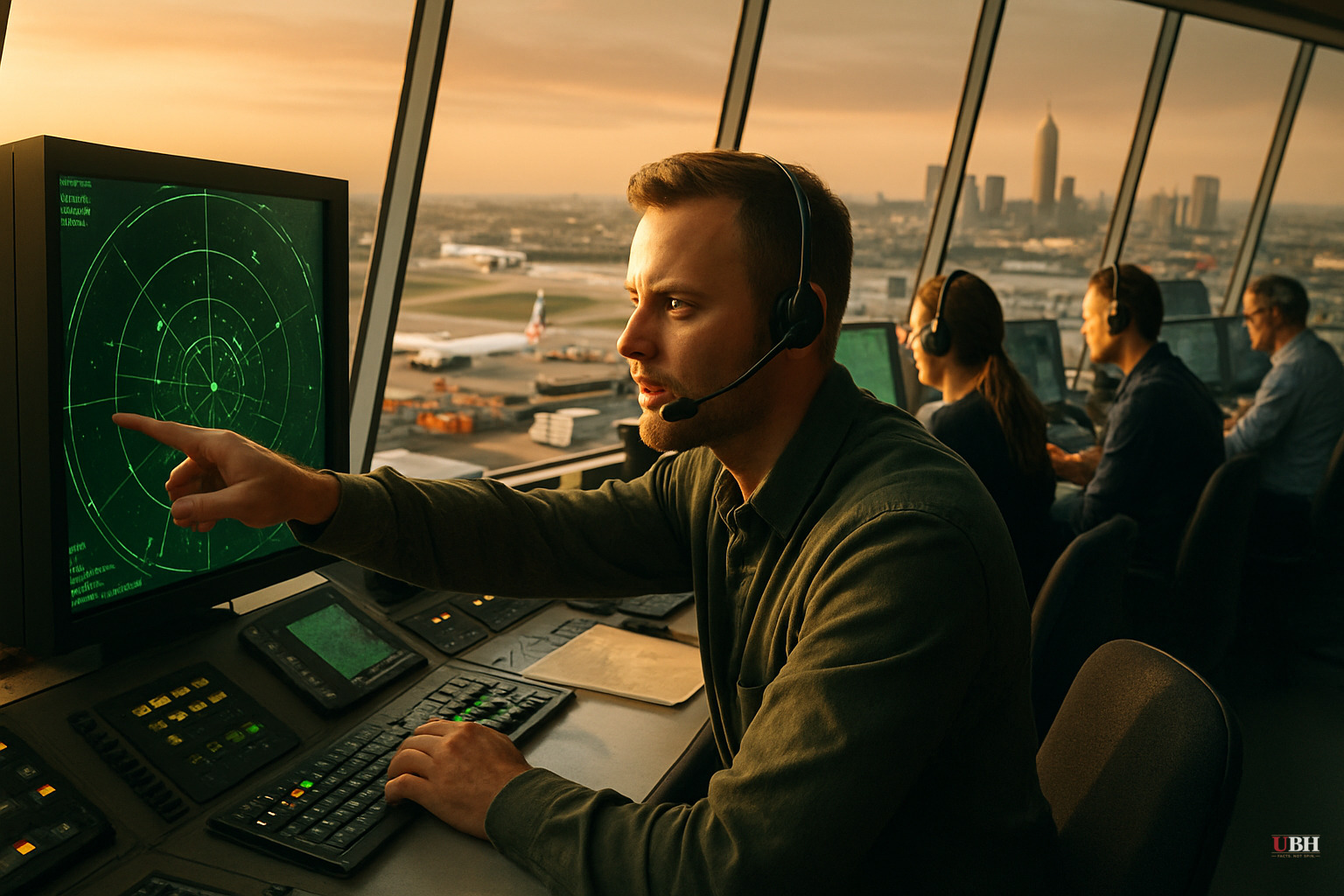
The Numbers Are Damning
The FAA needs to hire 8,900 air traffic controllers by 2028. Today it has a significant shortfall — and has had one for years.
According to a January 2026 GAO report, the number of active air traffic controllers has dropped 6% over the last decade while the number of flights relying on the system went up 10%. That's a collision course, and it's been visible for years.
From 2013 to 2023, according to Brookings Institution Senior Fellow Dorothy Robyn, the FAA hired only about two-thirds of the controllers its own staffing model said it needed. This wasn't a surprise. It was a documented, ongoing failure.
200,000 Applicants. Almost None Made It Through.
The shortage is not about a lack of interest in the job.
According to the GAO, roughly 200,000 people applied to become air traffic controllers over the last several years. Only about 2% qualified for and completed the full training process.
Every applicant must pass an aptitude assessment, get medical clearance, and clear a security review before they're even hired. Then most attend a 4-to-6-month training course at the FAA Academy in Oklahoma City. After that, on-the-job training can stretch the full certification timeline to up to 6 years.
The pipeline isn't just slow — it's a sieve. The GAO found that some of that attrition is preventable: the hiring process requires multiple in-person appointments for fingerprinting, medical screenings, and other steps, burning out candidates before they even start.
Bureaucracy Kept Breaking the Chain
Government shutdowns in 2013 and 2018-2019 froze all hiring and training. The COVID-19 pandemic suspended training for 4 months, then kept it at reduced capacity for nearly 2 more years. High attrition from 2019 to 2024 compounded everything.
Robyn noted that during the most recent government shutdown, Department of Transportation Secretary Sean Duffy told reporters that on the worst days, controller staffing problems accounted for half of all flight delays — compared to a normal baseline of 5%.
Half. On the worst days. Because essential government workers were being forced to show up without pay.
January 2025: A Crash That Reframed Everything
Investigators have NOT ruled out controller staffing as a contributing factor in the January 2025 mid-air collision at Ronald Reagan Washington National Airport that killed 67 people, according to Robyn's Brookings analysis.
That collision changed the political urgency around this issue overnight. The FAA's new workforce plan — targeting 8,900 hires by 2028 — arrived in that context.
The plan includes bonuses, advanced training technology, and partnerships with colleges to supplement instruction at the Oklahoma City academy, according to Fox News reporting on the FAA announcement. The idea is to build more pipeline capacity so that training bottlenecks don't strangle the hiring surge.
The FAA has announced ambitious hiring targets before. It has missed them consistently since 2012, according to the GAO's own data on planned versus actual hiring.
The Problem Goes Beyond the Tower
While the controller crisis dominates headlines, a parallel safety failure is unfolding on the tarmac at New York's two major airports.
According to reporting by the NY Post, workers at Alliance Ground International (AGI) — a ramp and tarmac services company operating at JFK and LaGuardia — rallied last week after SEIU Local 32BJ filed two formal complaints with OSHA on behalf of 21 workers.
The allegations are serious. Workers at JFK are allegedly exposed to fall hazards up to 30 feet high with ZERO fall protection. At LaGuardia, employees reportedly share face shields used on airplane lavatory tanks — cleaned rarely if ever.
Ramp agent John Mosquera, who works for AGI with Frontier Airlines at LGA, told the crowd he passed out on the job during last summer's heat wave after being forced to load bags in an un-air-conditioned plane belly. Another worker claimed he was suspended for asking for a water break.
AGI was named to the National Council for Occupational Safety and Health's "Dirty Dozen" list of companies with significant workplace safety concerns last month.
AGI has not issued a public response to the allegations as of this reporting.
What Mainstream Coverage Is Missing
Most coverage frames this as a staffing numbers problem — just hire more people and fix it. The actual issue is structural: a training pipeline that was designed for steady-state operation, repeatedly destroyed by shutdowns and pandemics, and never rebuilt fast enough. The FAA has known this for over a decade.
The tarmac safety story at JFK and LGA is getting almost NO national attention — which is remarkable given that the same airports serving tens of millions of passengers a year apparently have workers sharing used lavatory equipment and falling off planes with no protection.
Flying on Skeleton Crew
If you fly — and most Americans do — the aviation system you depend on is being run on skeleton crew staffing and decades of institutional neglect. The FAA's new plan might help. But it won't produce certified controllers for years, and it requires the federal government to actually execute a complicated multi-year hiring and training surge without interruption from the next shutdown or pandemic.
The record suggests caution.
Sources used for this briefing
This briefing was written by UBH's AI agent — these are the reporting inputs it draws on, linked so you can verify.


