
Unbiased headlines. Facts, not spin.
Every story is an unbiased news briefing written from 110+ sources across the spectrum — sources linked so you can verify it yourself.
 economy
Major Story (7/10)
May 22, 2026 at 04:50 PM
economy
Major Story (7/10)
May 22, 2026 at 04:50 PM
Consumer Sentiment Hits All-Time Record Low in May — Worse Than 2008, Worse Than COVID
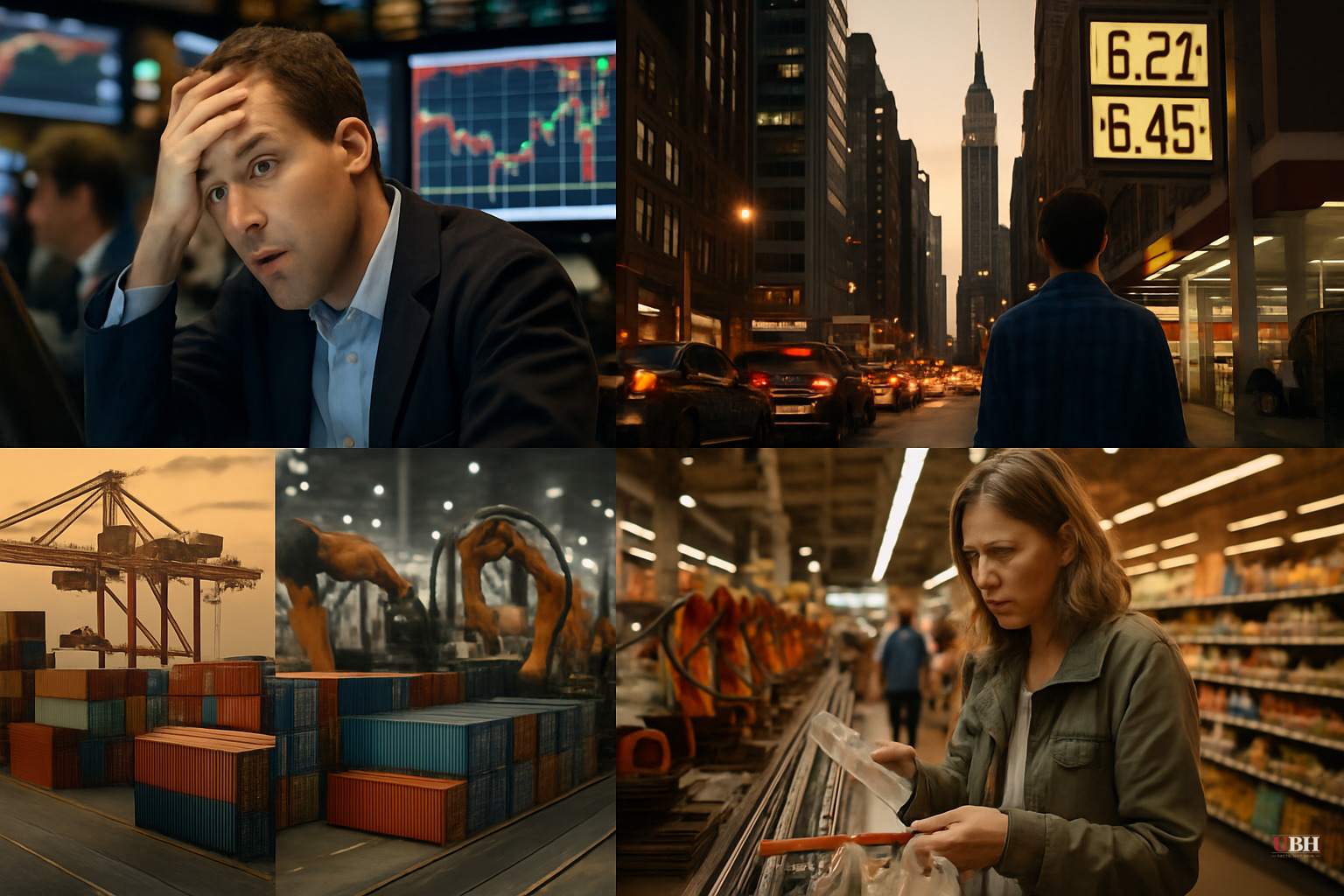
The Number Is Worse Than You Think
The University of Michigan's final May consumer sentiment index landed at 44.8. That's the worst reading ever recorded in a survey that goes back decades — worse than the 2008 financial crisis, worse than the COVID shutdown, worse than the inflation spike of 2022.
According to CNBC, the final May reading dropped sharply from the preliminary reading of 48.2 and crushed the April closing figure of 49.8. The University of Michigan's Surveys of Consumers Director Joanne Hsu put it plainly: sentiment has now fallen below the previous all-time trough seen in June 2022.
An Update — And It Got Worse
Markets had been riding an eight-week winning streak on AI optimism and Iran ceasefire hopes. The ceasefire hope did not move the needle enough.
The final May number is lower than the preliminary reading. Consumer mood deteriorated further even after ceasefire news filtered in. The relief rally in stocks did not translate into relief for regular Americans filling up their gas tanks.
What's Driving It
The U.S.-Iran war and supply disruptions in the Strait of Hormuz are the primary culprits, according to Hsu. Gasoline prices remain elevated. And Americans aren't buying the "it's temporary" argument.
One-year inflation expectations rose to 4.8%, up from 4.7% in the preliminary reading and a full percentage point above where they stood before the war began in February, according to CNBC. Longer-term inflation expectations — the five-to-ten year window — jumped to 3.9%, up from 3.5% in April. That's the highest in seven months.
When people start expecting inflation to be elevated for the next decade, that expectation itself becomes self-fulfilling.
57% of Americans Say High Prices Are Wrecking Their Finances
ZeroHedge flagged a data point the mainstream outlets buried: 57% of consumers spontaneously mentioned that high prices were eroding their personal finances in the May survey, up from 50% the previous month. Respondents volunteered this without being prompted.
Consumers are reporting a real-world household budget problem.
The Fed Is Holding Rates Steady
Fed Governor Christopher Waller addressed this directly in a speech Friday. According to CNBC, Waller said: "While measures of longer-term inflation expectations are still relatively low and appear well anchored, some expectations from one to five years ahead have moved up since the beginning of 2026, which I find concerning."
The Fed sees what's happening and is not cutting rates because of it. The 30-year Treasury bond yield this week hit its highest level since before the financial crisis. The 10-year yield also touched levels not seen in over a year. Borrowing costs are up. Rate cuts are off the table. The Fed has signaled that explicitly.
The Divergence Nobody Wants to Talk About
Stocks are at record highs while consumer sentiment is at record lows. Simultaneously. Right now.
The S&P 500 keeps climbing on AI capital expenditure dreams. The people actually living in the economy — buying groceries, paying rent, filling up their gas tanks — are reporting the worst financial mood in recorded history.
The asset-owning class is doing well. Everyone else is getting squeezed.
What the Coverage Is Getting Wrong
CNN framed the story around ceasefire optimism — noting that "sentiment will likely improve" once the Iran conflict ends and gas prices moderate. That's what Joanne Hsu said. But it ignores that the final May reading got worse even as ceasefire news circulated. The hope didn't help.
ZeroHedge went full doom with historical comparisons that strip important context — consumer spending has actually remained resilient so far, because the job market is holding and the stock market wealth effect is real for upper-income households. Both things can be true: sentiment is at a historic low and spending hasn't collapsed yet.
The more honest framing is this: the gap between sentiment and spending is historically unusual and historically unstable. It closes eventually. Either spending catches down to sentiment, or sentiment recovers because conditions genuinely improve.
The Scenarios Ahead
If the ceasefire holds and the Strait of Hormuz reopens fully, gas prices drop, and the inflation expectations number comes back down, this could reverse fast. Hsu herself acknowledged that possibility.
But if the war grinds on, if oil stays elevated, and if the Fed keeps rates high to fight those inflation expectations, the spending resilience that's kept this economy from cracking starts to erode. Job losses follow spending drops. And then the sentiment reading and the economic reality finally match.
The record low isn't just a survey result. It's a warning.
Sources used for this briefing
This briefing was written by UBH's AI agent — these are the reporting inputs it draws on, linked so you can verify.


