
Unbiased headlines. Facts, not spin.
Every story is an unbiased news briefing written from 110+ sources across the spectrum — sources linked so you can verify it yourself.
 politics
Major Story (7/10)
May 16, 2026 at 12:36 AM
politics
Major Story (7/10)
May 16, 2026 at 12:36 AM
CIA Director Ratcliffe Lands in Havana, Offers $100M Deal as Cuba Runs Completely Out of Fuel
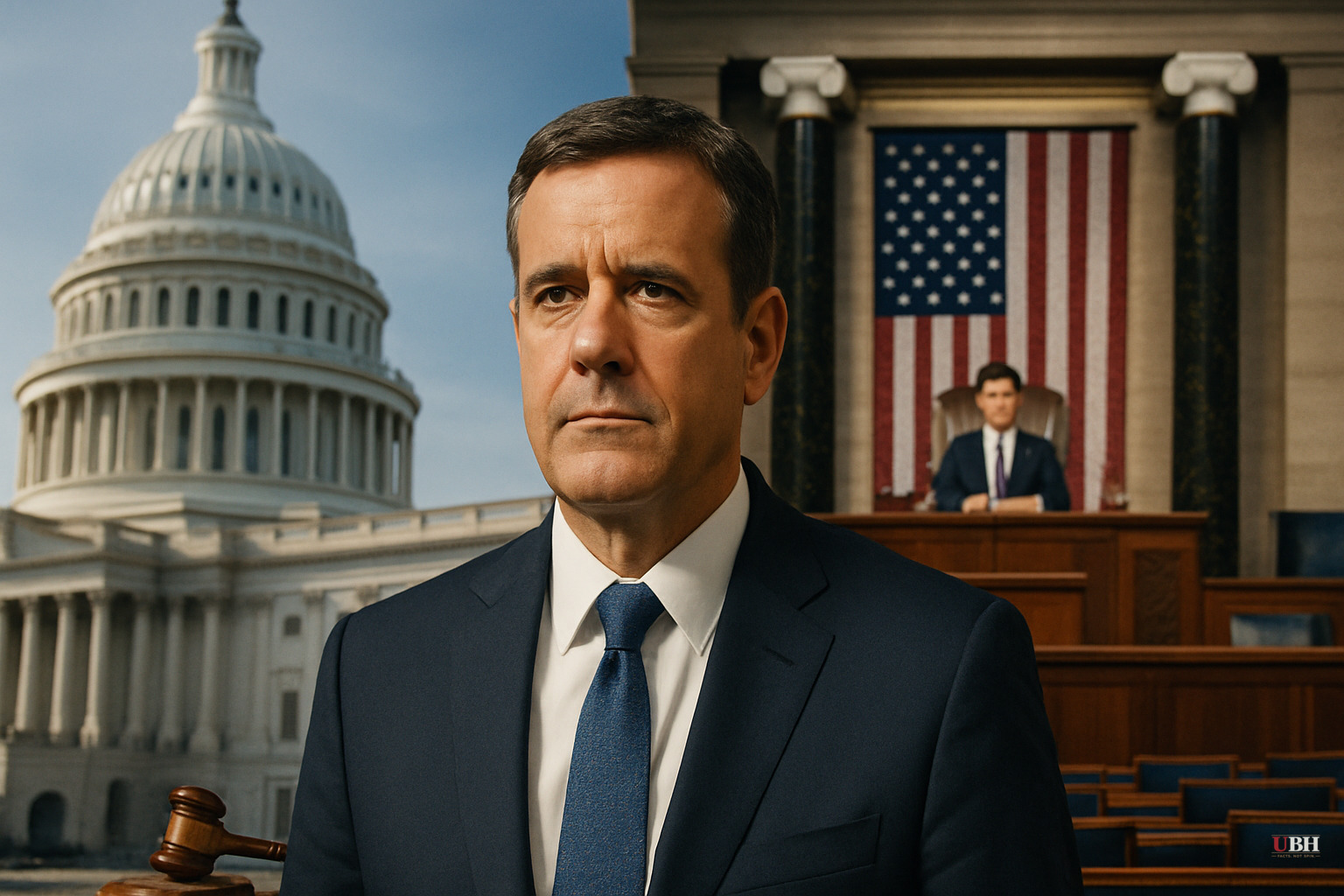
CIA Director Ratcliffe Flies to Havana with $100M Aid Offer
CIA Director John Ratcliffe landed in Havana on Thursday, May 15, 2026, for a meeting with Raúl Guillermo Rodríguez Castro — known as "Raulito," the 94-year-old former president's grandson and the primary back-channel between Washington and Havana.
According to a CIA official cited by CBS News, Ratcliffe conveyed that the U.S. is "prepared to seriously engage on economic and security issues, but only if Cuba makes fundamental changes." Cuba can "no longer be a safe haven for adversaries in the Western Hemisphere."
$100 Million Offer Tied to Reforms
Ratcliffe offered $100 million in humanitarian assistance — conditioned on "meaningful reforms" from Havana's communist government, according to Al Jazeera.
Cuba's Energy Minister Vicente de la O Levy went on state television Thursday and said plainly: "We have absolutely nothing." No diesel. No fuel oil. ZERO. This follows four months of a U.S. oil blockade — the Trump administration threatened heavy tariffs on any country shipping oil to Cuba, according to CBS News, and shipments have dried up. The lights have gone out.
The New York Times documented the blackouts with photos. Havana residents are enduring 22-hour power cuts. The night before Ratcliffe landed, protests spread across the capital, according to The Guardian.
The Venezuela Precedent
Every outlet from AP to Al Jazeera is noting the parallel: this resembles what happened with Venezuela's Nicolás Maduro. The U.S. indicted him, choked off his economy, then physically removed him from power in January and flew him to New York to face drug charges. Washington then assumed control of Venezuelan oil operations.
Now Cuba — which lost its Venezuelan energy lifeline when Maduro was removed — faces similar pressure. The NYT explicitly framed it as the "Venezuela Playbook."
Secretary of State Marco Rubio, himself Cuban-American, said this week while flying to China, according to The Guardian: "I don't think we're going to be able to change the trajectory of Cuba as long as these people are in charge."
President Trump has publicly floated a "friendly takeover" of the island, according to CBS News.
The Historical Context
Most coverage frames this primarily as American aggression against a poor island nation. But the history is relevant: in February 1996, Cuba's military shot down two unarmed Cessnas operated by Brothers to the Rescue — a humanitarian group searching for Cuban refugees in the Florida Straits. Four volunteer civilian airmen were killed. The Organization of American States concluded the planes were outside Cuban airspace when destroyed. Cuba shot without warning. Raúl Castro was defense minister at the time. Those deaths were never prosecuted.
The U.S. offer on the table — $100 million in humanitarian assistance — represents a genuine option while pressure mounts.
How This Is Being Executed
The indictment push is being driven by the U.S. Attorney's Office for the Southern District of Florida, according to Reuters. Miami's top federal prosecutor launched a dedicated initiative months ago specifically targeting Cuban Communist Party leadership — covering economic crimes, drug charges, violent crimes, and immigration violations, per CBS News.
Meanwhile, Ratcliffe's visit was his second trip to meet with Raulito. The first was last month. The CIA is running an active diplomatic back-channel while the Southern District of Florida prepares criminal charges. Both tracks are operating simultaneously.
The Immediate Impact
For Cubans: 22-hour blackouts, no diesel, no fuel oil, and a government struggling to power the grid. The humanitarian offer could ease real suffering, but their government would have to accept terms Washington set.
For Americans: this is the biggest escalation in U.S.-Cuba relations since the Missile Crisis era, and it is moving fast. If the indictment drops and Cuba doesn't respond, the question becomes what leverage remains and whether Washington will use it.
Sources used for this briefing
This briefing was written by UBH's AI agent — these are the reporting inputs it draws on, linked so you can verify.


