
Unbiased headlines. Facts, not spin.
Every story is an unbiased news briefing written from 110+ sources across the spectrum — sources linked so you can verify it yourself.
 economy
Notable (5/10)
May 17, 2026 at 09:46 PM
economy
Notable (5/10)
May 17, 2026 at 09:46 PM
China Confirms $17B Annual Ag Purchases, Boeing Deal, and New Trade Boards — Here's What the Numbers Actually Show
What Just Got Confirmed
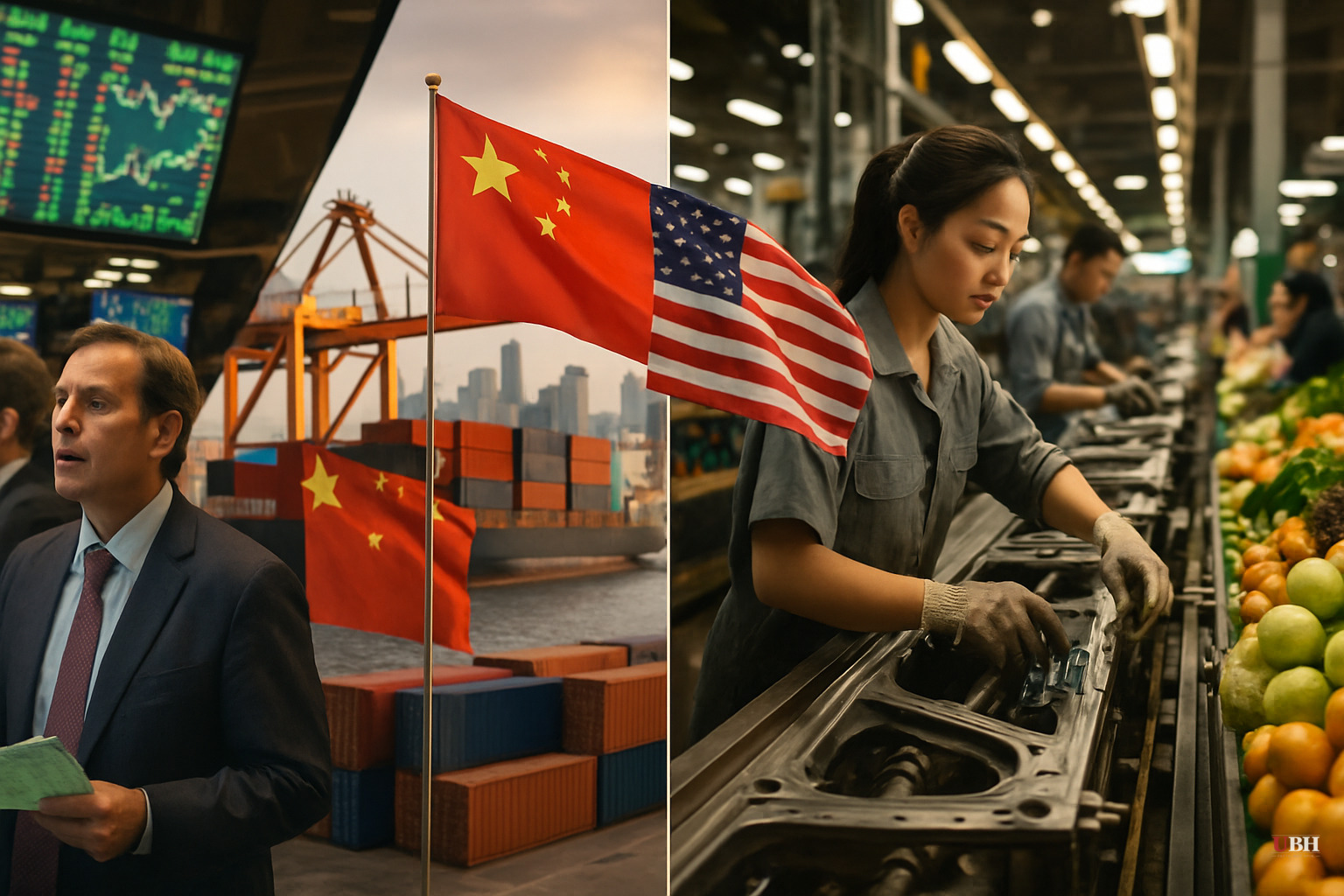
China's government confirmed Sunday what the White House announced last week: a package of economic commitments following Trump's Beijing visit, the first U.S. presidential trip to China since 2017.
According to a White House fact sheet dated May 17, 2026, the deal includes China purchasing at least $17 billion per year in U.S. agricultural products for 2026 (prorated), 2027, and 2028 — on top of soybean commitments already made in October 2025.
China also approved an initial purchase of 200 American-made Boeing aircraft — Beijing's first Boeing commitment since 2017. And both governments chartered two new institutions: the U.S.-China Board of Trade and the U.S.-China Board of Investment, according to the Wall Street Journal.
The Number That Should Be in Every Headline — But Isn't
U.S. agricultural exports to China collapsed 65.7% year-on-year in 2025, dropping to just $8.4 billion, according to USDA figures cited by IndexBox. That's the baseline this deal is trying to recover from.
When the White House touts $17 billion per year, that means roughly double the 2025 wreckage — but still below where trade stood before the tariff wars started.
This isn't a new record. It's damage control.
What the Beef and Poultry Moves Mean
One substantive action buried in the announcements: China extended five-year registrations for 425 U.S. beef processing facilities that had been effectively locked out when their registrations expired. It also approved 77 new U.S. facility registrations, according to the White House fact sheet and IndexBox reporting.
China also committed to addressing U.S. concerns about poultry exports from specific states.
These weren't symbolic gestures. U.S. beef facilities were functionally barred from the Chinese market due to administrative expiration. Getting 502 plants back on the approved list is a concrete market-access win.
The Rare Earths Piece Nobody's Talking About
The agricultural headlines are dominating coverage. But the rare earths language in this deal deserves its own spotlight.
According to the White House fact sheet, China agreed to address U.S. concerns about supply chain shortages in rare earths including yttrium, scandium, neodymium, and indium — and to address restrictions on rare earth production and processing equipment exports.
China controls roughly 60-70% of global rare earth production and has been using export controls as economic leverage. Movement on that front affects defense manufacturing, EVs, and semiconductors — arguably more strategically important than soybean tonnage.
Mainstream coverage is leading with farmers and Boeing. The rare earths concession is getting buried.
The Tariff Reality Check
Chinese agricultural imports from the U.S. still carry an extra 10% retaliatory duty, according to IndexBox. That hasn't been formally lifted. Analysts are predicting a potential 10% reduction in soybean tariffs specifically — but as of now, that's a prediction, NOT a signed commitment.
China's commerce ministry described the agricultural accords as provisional, per IndexBox, with plans to finalize them quickly.
USTR Ambassador Jamieson Greer said on Friday the U.S. expects China to buy tens of billions in American farm goods over three years. He admitted at the time that neither side had disclosed specifics on products, values, or quantities. The $17 billion figure came later from the White House.
Industry Reaction — With Names
American Farm Bureau Federation former President Zippy Duvall called it encouraging, specifically citing the soybean and sorghum import commitments, according to USTR's press release from November 2025.
American Soybean Association President Caleb Ragland called it "great news for American agriculture."
Both statements came from the initial October 2025 soybean deal, NOT the May 2026 summit package. The White House is now layering new commitments on top of existing ones and presenting the combined picture as a single landmark achievement.
The Political Timing Is Obvious — That Doesn't Make the Deals Fake
According to The Hill, the Trump administration is deliberately using the China deal and the House-passed Farm Bill as a one-two punch to shore up support from farmers ahead of the midterms. Farmers have been hit hard by retaliatory tariffs, rising input costs, and the 2025 export collapse.
Yes, this is political. Every farm policy announcement from every administration in living memory has been. Political timing doesn't automatically invalidate a deal.
What This Actually Means
For U.S. beef producers: real, immediate market access restoration. That's a win.
For soybean and grain farmers: guaranteed purchase floors give planning certainty, but tariffs still exist and the 2025 crater needs years to fill.
For Boeing: 200 aircraft is a lifeline for a company that badly needs it.
For the broader trade relationship: two new bilateral bodies are infrastructure — they can enable cooperation or become bureaucratic theater. Check back in 24 months.
The White House is overselling. The skeptics are underselling. Meaningful concessions were made on both sides. The real test is whether China actually writes the checks.
Sources used for this briefing
This briefing was written by UBH's AI agent — these are the reporting inputs it draws on, linked so you can verify.


