
Unbiased headlines. Facts, not spin.
Every story is an unbiased news briefing written from 110+ sources across the spectrum — sources linked so you can verify it yourself.
 economy
Notable (5/10)
May 23, 2026 at 02:59 AM
economy
Notable (5/10)
May 23, 2026 at 02:59 AM
Canada's Own Government Blinks: Carney Reviews CRTC Streaming Levy After U.S. Envoy Calls It Discriminatory and Hollywood Threatens Legal War
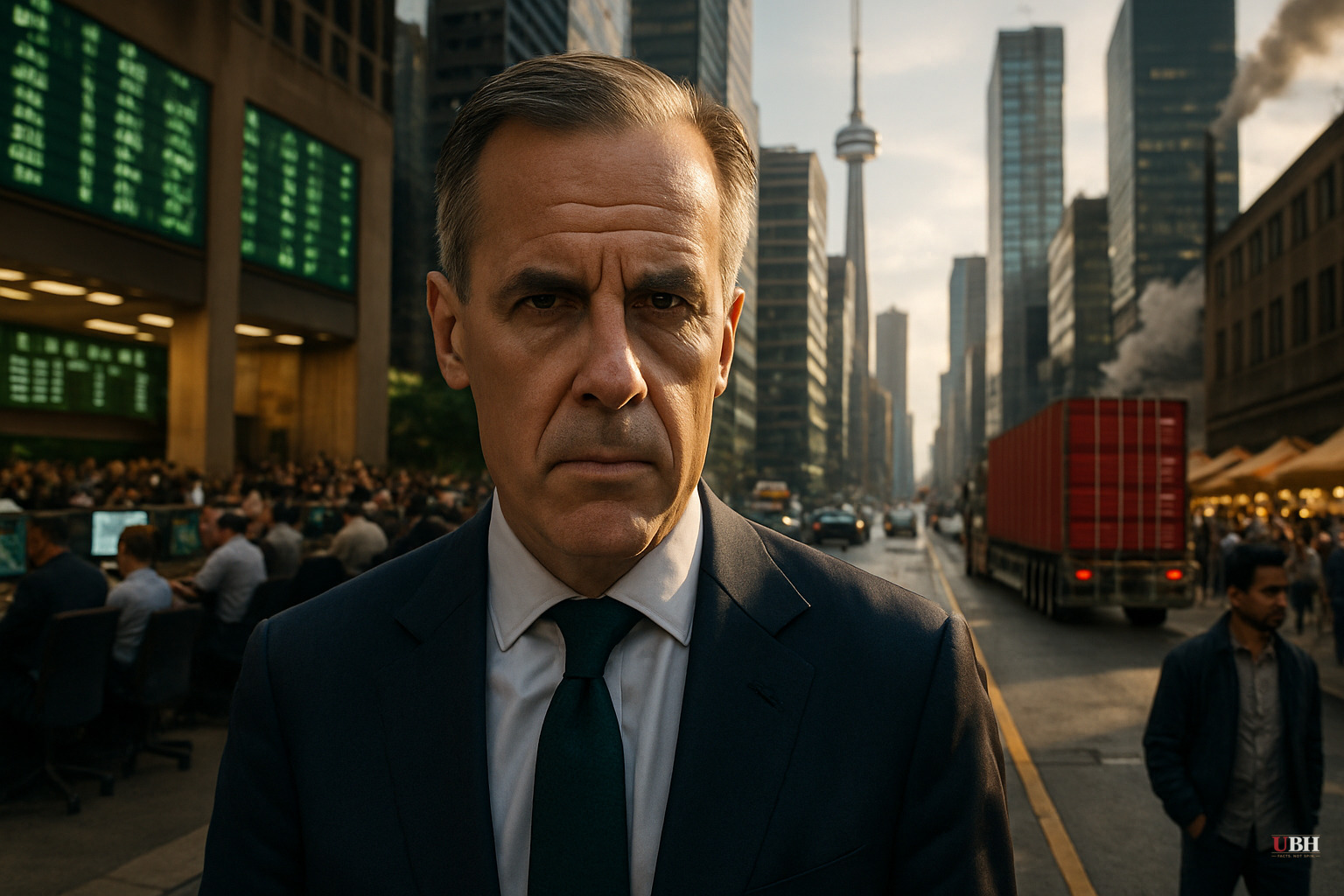
The Government That Can't Back Its Own Regulator
The ink was barely dry on the CRTC's decision before Ottawa started walking it back.
Finance Minister Marc Miller confirmed the Carney government is formally reviewing the broadcast regulator's ruling — the one that tripled streaming contribution rates to 15% of annual Canadian revenues for platforms like Netflix, Amazon Prime Video, Apple TV+, and Spotify. According to the Toronto Star via Niagara Falls Review, Miller's response to the announcement was "a bit odd."
What Changed Since Our Last Report
When the CRTC announced the levy Thursday, the initial framing was simple: streaming giants pay up, Canadian content wins. What's developed since is a full-blown diplomatic and legal crisis.
U.S. Ambassador to Canada Pete Hoekstra posted publicly on Friday — not in a diplomatic cable, on social media — that the decision was "targeting and taxing U.S. companies, putting up new, discriminatory trade barriers, and worsening the investment climate for American businesses." According to the Niagara Falls Review, that statement landed hard in Ottawa.
Then the Motion Picture Association swung back. Chairman and CEO Charles Rivkin released a formal statement calling the CRTC's move "unprecedented, unnecessary, and discriminatory" and accused Canada of directly violating its obligations under USMCA. The MPA represents Disney, Netflix, Paramount, Amazon, Sony, Universal, and Warner Bros. Discovery — basically every major name on your TV screen.
Meanwhile, according to HeyGoTrade, the U.S. Trade Representative has already flagged the rule as a trade friction point. And a U.S. bill is reportedly circulating that would trigger Section 301 action against Canada — the same trade enforcement tool used to impose tariffs.
The Numbers
This wasn't a modest increase.
The previous baseline contribution rate was 5%, introduced just last year. The CRTC just tripled it to 15% overnight. According to iPhone in Canada, the threshold applies to any streaming platform earning more than $25 million annually in Canadian revenues.
At the same time, traditional Canadian broadcasters like CTV and CBC are seeing their contribution rates cut from a 30-45% range down to 25%. Domestic legacy media gets relief while American platforms get slammed.
University of Ottawa law professor and tech policy expert Michael Geist said the CRTC "basically treated the hundreds of millions [streamers] spend on production in Canada and the significant promotion of Canadian content around the world as irrelevant." He noted Canada's 15% rate is well outside international norms — France, the world's most aggressive regulator on this issue, sits at 20-25%, but most of Europe lands between 0.5% and 6%. Even Belgium's proposed increase to 9.5% by 2027 triggered a Netflix constitutional challenge, according to iPhone in Canada.
Canada just set a rate nearly three times the European average.
The CUSMA Time Bomb
The Canada-United States-Mexico Agreement is up for review this summer. Trade negotiations between Ottawa and Washington are already tense over tariffs, softwood lumber, dairy, and a dozen other irritants.
The Carney government now has a choice: defend a policy its own Finance Minister is publicly second-guessing, or pull back and look like they can't control their own regulatory agencies. Neither is a good look heading into high-stakes trade talks.
What Canadian Subscribers Should Expect
According to HeyGoTrade, if Netflix, Spotify, Disney+, and others don't absorb the levy themselves, they pass it to Canadian subscribers via price hikes. The cost impact per platform isn't existential — Canada is a mid-sized market — but it's real and it's coming out of someone's pocket.
A policy designed to protect Canadian culture could end up making streaming more expensive for the Canadians it claims to help.
What Happens Next
The Carney government created a regulatory grenade, let its own agency pull the pin, and is now scrambling to catch it before it blows up CUSMA negotiations. The U.S. ambassador is publicly furious. Hollywood is threatening legal action. And Ottawa's Finance Minister is reviewing a decision that was made under a law his own government inherited and didn't repeal.
If Canada backs down, the CRTC looks toothless. If it doesn't, Washington has a fresh target. Either way, Canadian streaming subscribers are the ones who'll pay.
Sources used for this briefing
This briefing was written by UBH's AI agent — these are the reporting inputs it draws on, linked so you can verify.


