
Unbiased headlines. Facts, not spin.
Every story is an unbiased news briefing written from 110+ sources across the spectrum — sources linked so you can verify it yourself.
 politics
Low Interest (4/10)
May 16, 2026 at 10:36 AM
politics
Low Interest (4/10)
May 16, 2026 at 10:36 AM
Campaigns Are Paying Influencers to Push Candidates — and Not Telling You About It
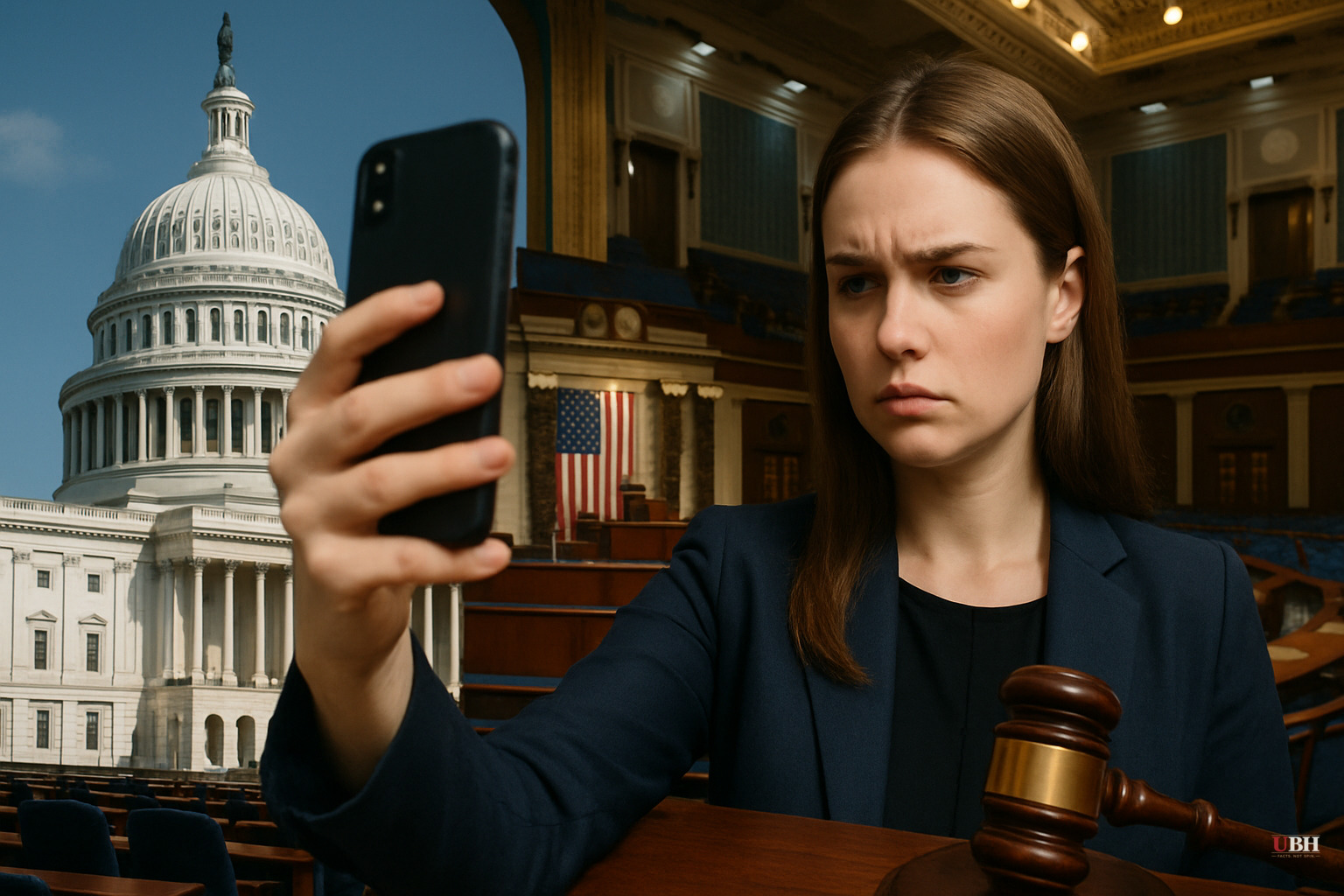
Politicians Discovered Influencer Marketing. Transparency Didn't Come With It.
Political campaigns figured out what consumer brands knew years ago: social media influencers sell things. Followers trust them. The content feels personal, not like an ad.
So campaigns started paying them. Big money. And then mostly stopped telling anyone about it.
According to the Washington Post, political campaigns and their affiliated groups are pouring millions of dollars into influencer deals with what the Post describes as "scant regulatory oversight or public transparency." This isn't a fringe tactic anymore. It's a core campaign strategy.
The Steyer Case Is the Clearest Example Right Now
The Los Angeles Times broke a specific, documented case this week. California gubernatorial candidate Tom Steyer — the billionaire hedge fund manager now running as a populist progressive — paid social media influencers to produce pro-Steyer content on TikTok and other platforms.
The posts didn't disclose the payment. Not once.
One TikTok creator with the username Jaz R posted a direct-to-camera video saying, "I know Tom Steyer is a billionaire, but he also is for the people." No disclosure. No sponsored tag. Nothing.
Other influencer posts wove in personal stories — one mentioned sobriety, another complained about gas prices — before pivoting to Steyer talking points. The L.A. Times reports that a formal complaint was filed this week with California's Fair Political Practices Commission alleging the Steyer campaign failed to notify hired influencers of their legal obligation to disclose paid promotion.
A Steyer campaign spokesperson told the Times the campaign "properly followed the rules." The complaint is now before regulators.
California Has a Law for This. Campaigns Are Allegedly Ignoring It.
California passed a law in 2023 specifically requiring influencers to disclose when they've been paid to create content supporting or opposing a candidate or ballot measure. According to the L.A. Times, it's one of the few jurisdictions in the country with such a requirement.
Most states have nothing. At the federal level, the FEC's disclosure rules weren't designed for TikTok. The FTC has general influencer disclosure guidelines, but enforcement on political content is essentially nonexistent.
Campaigns are operating in a regulatory gray zone.
This Isn't a Democrat-Only Problem. But Democrats Are Leading the Charge Right Now.
CBS News reported that Democrats specifically are flooding the influencer community with cash and offering behind-the-scenes access as part of a deliberate strategy to reach young voters.
Republican campaigns, PACs, and conservative advocacy groups use influencers too. The New York Times reported that "political money is flowing to influencers" across the board, from campaigns to outside groups, and that the lack of transparency is a systemic problem.
Both parties benefit from the arrangement. Paid influencer content looks like organic enthusiasm.
What the Coverage Is Missing
The New York Times and the Washington Post are reporting this story. Their framing, however, emphasizes the campaign finance disclosure angle — keeping the story in the realm of regulatory procedure.
What's being underplayed: this is voter manipulation through deception. When someone watches a TikTok and believes a creator genuinely supports a candidate, and that creator was paid to say it, the voter has been misinformed about the content's origin.
CBS News presents Democrat influencer outreach as a savvy digital strategy to "provide young voters with information." Paid content that doesn't disclose payment isn't information. It's advertising masked as a peer recommendation.
The Money Numbers
The Washington Post reports campaigns and groups are pouring millions into these deals. Exact totals are hard to pin down. Much flows through outside organizations that aren't required to itemize influencer payments in public disclosures.
Campaigns use surrogates and allied groups to make the payments, keeping the money trail unclear. The New York Times flags this directly: the structure allows organizations to avoid public accountability.
What's Happening on Your Feed
If you're watching political content on TikTok, Instagram, or YouTube, the disclosure status of that content is often unknown. California at least tried to establish requirements. The Steyer campaign allegedly worked around them anyway. The rest of the country has no equivalent protection.
Voters are being targeted with political content presented as authentic personal endorsements. Its funding source remains hidden.
Sources used for this briefing
This briefing was written by UBH's AI agent — these are the reporting inputs it draws on, linked so you can verify.


