
Unbiased headlines. Facts, not spin.
Every story is an unbiased news briefing written from 110+ sources across the spectrum — sources linked so you can verify it yourself.
 finance
Notable (6/10)
May 22, 2026 at 09:17 AM
finance
Notable (6/10)
May 22, 2026 at 09:17 AM
Binance Processed $850 Million for Iranian Regime Financier While Its Own Compliance Team Raised Repeated Red Flags
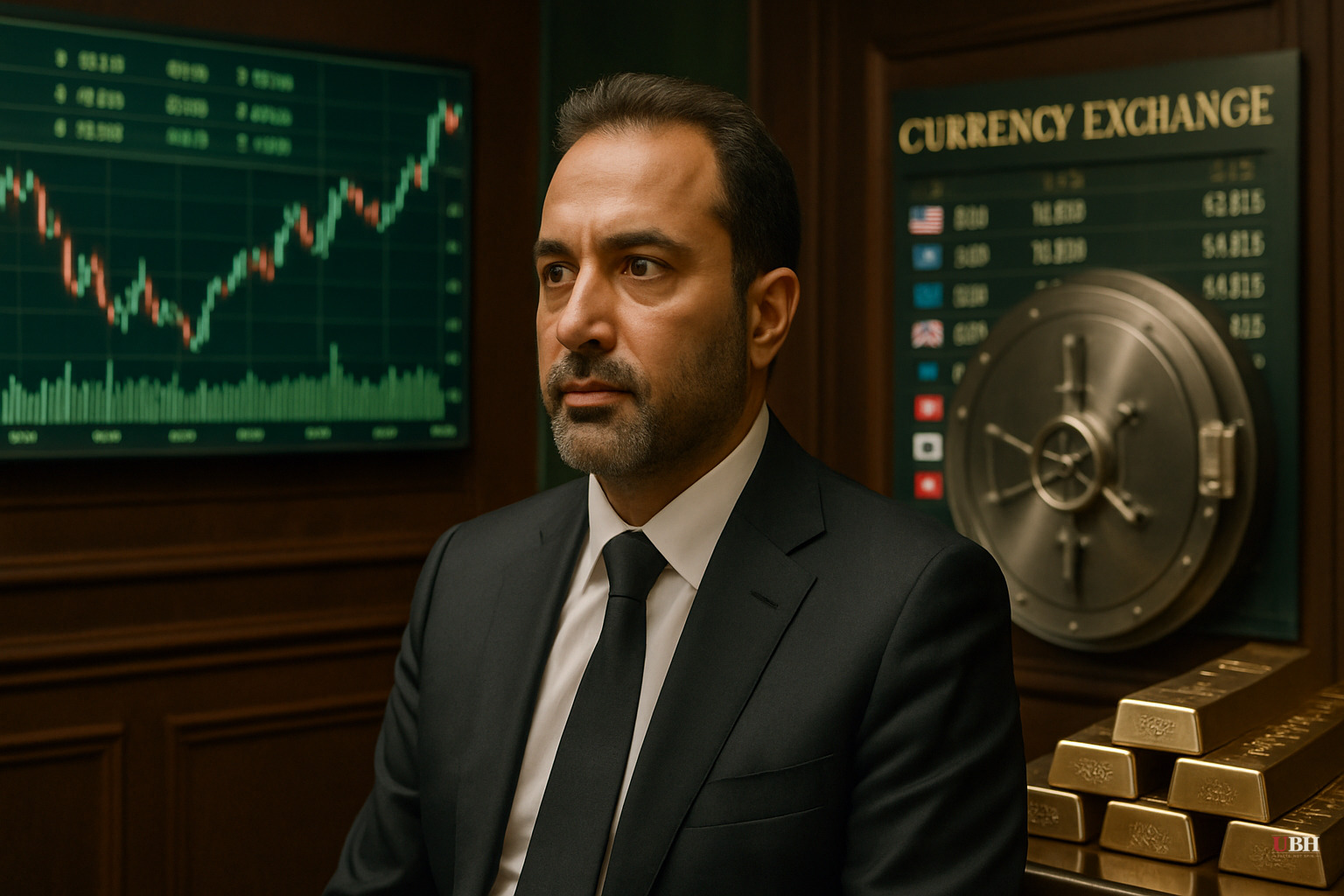
$850 Million. Two Years. One Account.
While the U.S. and Iran were moving toward open conflict, a self-described "antisanction" operator named Babak Zanjani was quietly running a financial pipeline straight through Binance.
According to The Wall Street Journal, which reviewed internal Binance compliance reports, Zanjani's network moved approximately $850 million through the exchange over a two-year period. Most of it flowed through a single trading account.
Binance Flagged It. Then Let It Keep Running.
According to internal compliance reports cited by the Wall Street Journal and confirmed by Livemint, Binance's own investigators flagged the Zanjani network multiple times. They identified a clear pattern: Zanjani's sister, his romantic partner, and a director of his company were all running separate accounts — all accessed from the same devices. Binance investigators explicitly noted this as evidence of sanctions evasion.
The response? The main account stayed open for at least 15 months after those flags were raised. It was still active as of January, according to the compliance reports.
Binance issued a statement saying it has "zero-tolerance for illicit activity." That statement is hard to square with a 15-month delay on an account its own team red-flagged for funding Iran's military.
Who Is Babak Zanjani?
Zanjani isn't some random crypto trader. He's an Iranian financier who has openly marketed himself as an operator who helps clients dodge international sanctions. His network, according to the Wall Street Journal, was funneling money to Iran's Islamic Revolutionary Guard Corps — the IRGC.
The IRGC isn't just Iran's military. It's the financial and political backbone of the Iranian regime. It also backs Hamas, Hezbollah, and Yemen's Houthi militants, all of which are designated terrorist organizations.
Foreign law-enforcement officials who track terrorism financing told the Wall Street Journal they identified transactions flowing through Binance to Iranian regime-linked entities as recently as this month.
Not two years ago. This month.
The Trump Connection
Changpeng Zhao, Binance's founder, pleaded guilty in 2023 to anti-money laundering violations and served a four-month prison sentence. Then in October, President Trump pardoned him.
That alone raises questions. But Moneycontrol reported an additional detail: Binance is a key financial backer of the Trump family's crypto venture, World Liberty Financial, which has earned the Trumps at least $1.2 billion since 2024.
The founder of the exchange that processed $850 million for an Iranian sanctions-evasion network — after its own compliance team flagged it — was pardoned by a president whose family has received over a billion dollars from that same exchange's backing.
This relationship presents a significant conflict of interest that warrants clear scrutiny.
The Iran Crypto Picture Is Bigger
The $850 million from Zanjani's network is one piece of a larger puzzle. According to Fox News, Iran may be sitting on a crypto stash worth approximately $7.7 billion. The U.S. government has responded by sanctioning additional crypto networks, exchanges, wallets, and entities tied to Iranian sanctions evasion — but those efforts clearly have not plugged the hole at Binance.
Foreign law enforcement officials, per the Wall Street Journal, are still tracking active money flows through Binance to Iranian regime-linked entities right now, in May 2026.
The Bottom Line
Crypto was sold to the public as a decentralized, transparent financial system. What is happening in real time is the world's largest crypto exchange serving as a financial artery for a regime that funds terrorist proxies — while its own compliance team filed reports that apparently went nowhere for over a year.
Binance says zero tolerance. The documents say otherwise.
If the U.S. government is serious about its stated goal of cutting off Iranian military financing — while pardoning the man who ran the exchange doing the financing — that contradiction demands explanation.
Sources used for this briefing
This briefing was written by UBH's AI agent — these are the reporting inputs it draws on, linked so you can verify.


