
Unbiased headlines. Facts, not spin.
Every story is an unbiased news briefing written from 110+ sources across the spectrum — sources linked so you can verify it yourself.
 finance
Notable (5/10)
May 17, 2026 at 12:27 AM
finance
Notable (5/10)
May 17, 2026 at 12:27 AM
Berkshire's Q1 13F Is Out: $8B Chevron Exit Timed to Perfection, 16 Positions Gone, $397B Cash Pile Hits Record
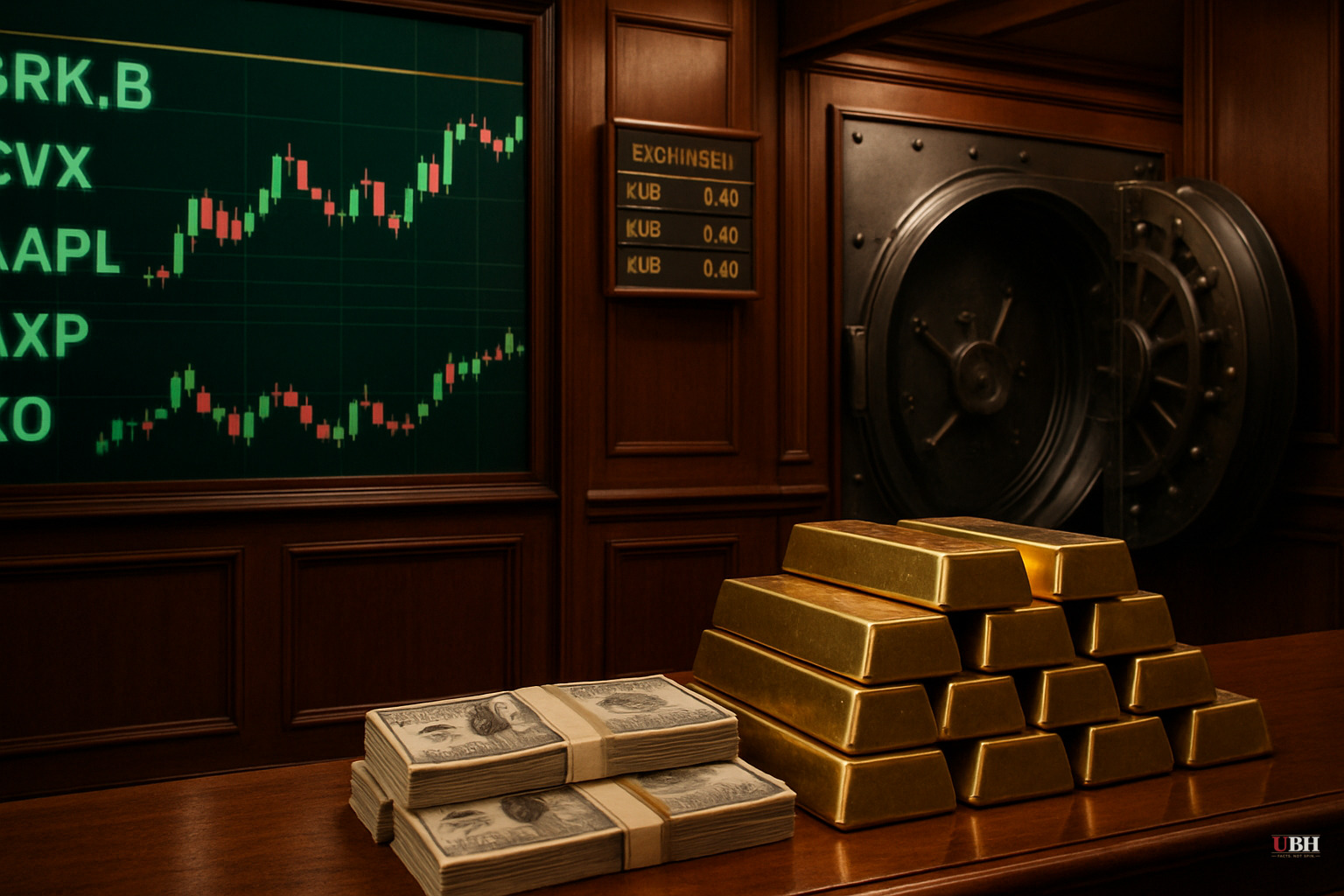
The 13F Is Official — Here's What the Full Filing Actually Shows
The SEC 13F filing is now public, and the specific numbers clarify Berkshire's Q1 moves beyond initial reports.
Berkshire was a net seller of $8 billion in stocks last quarter — $24 billion out, $16 billion in, according to TradingKey. That pushed the company's cash reserve to a record $397.38 billion.
The Chevron Trade Was Surgical
Berkshire sold 45.78 million shares at an average price of $182.59 per share, cashing out approximately $8 billion and cutting the position by 35%, according to TradingKey.
Chevron hit an all-time high in March 2026 due to the U.S.-Iran conflict driving oil prices up. Berkshire locked in gains at the peak.
Berkshire still holds a 4.2% stake and remains Chevron's fourth-largest shareholder.
16 Full Exits
The full 13F confirms 16 complete position exits, per BigGo Finance.
Gone entirely: Visa, Mastercard, UnitedHealth, Amazon, Domino's Pizza, Aon, Pool Corp., Heico, Liberty Formula One, Charter Communications, Lamar Advertising, Allegion, Diageo, Liberty Latin America Series C, and Atlanta Braves Holdings. Additionally, Constellation Brands was cut by 95%.
That's roughly one-third of the portfolio's total number of positions eliminated or nearly eliminated in a single quarter.
The Domino's Sale
Buffett's team bought Domino's for six consecutive quarters. Abel sold it all. That's a direct reversal of the previous thesis.
Domino's Q1 U.S. same-store sales growth slowed to just 0.9%, while international same-store sales declined 0.4%, according to BigGo Finance. Inflation is putting pressure on the fast-casual trade-down story.
Amazon Was Expected. UnitedHealth Wasn't.
Berkshire had already dumped 77% of its Amazon stake in Q4 2025. The remaining 2.3 million shares sold in Q1 was a cleanup trade, according to CNBC.
UnitedHealth is the notable exit. The health insurer has faced serious pressure since its CEO was murdered in December 2024, and the company has been scrutinized over claims denial practices. Berkshire walked away entirely.
What Abel Bought
Abel tripled down on Alphabet (up 224% in share count), added Delta Air Lines at $2.65 billion, and slightly increased Macy's.
The Alphabet position is now worth $16.6 billion as of March 31 — Berkshire's seventh-largest equity holding — per CNBC. Since quarter-end, Alphabet stock has rallied 38%.
Delta marks Berkshire's return to airlines for the first time since 2020, when Buffett sold all four major carriers at a loss. Abel is betting the post-COVID airline industry is structurally different. Delta is the strongest carrier operationally, but airlines remain cyclical and fuel-exposed.
The Portfolio Is Shifting
Most outlets frame this as "Abel vs. Buffett" — the new guy reshaping the old guy's legacy.
CNBC's newsletter notes that the Alphabet buy was "almost certainly an Abel move that was either endorsed, or possibly even suggested, by Warren Buffett." Buffett didn't retire from thinking — he stepped back from the CEO title.
The actual story is portfolio concentration. Abel is running fewer, larger bets. That signals higher conviction, higher risk, and a fundamentally different operating style than Buffett's diversified approach.
The cash pile growing to $397 billion while selling $8 billion net suggests Abel isn't rushing to deploy capital. A record cash reserve signals that nothing in this market justifies a full commitment.
What Comes Next
If you own Berkshire B shares — and millions of retirement accounts do — you're watching a controlled handoff. The portfolio is leaner, tech-heavier, and sitting on more cash than any company in American history.
At current Treasury rates, $397 billion generates roughly $18-20 billion annually in interest income. Berkshire is being paid to wait.
The question now is what Abel does when a real opportunity shows up. The capital is ready.
Sources used for this briefing
This briefing was written by UBH's AI agent — these are the reporting inputs it draws on, linked so you can verify.


