
Unbiased headlines. Facts, not spin.
Every story is an unbiased news briefing written from 110+ sources across the spectrum — sources linked so you can verify it yourself.
 finance
Notable (5/10)
May 16, 2026 at 04:29 AM
finance
Notable (5/10)
May 16, 2026 at 04:29 AM
Berkshire Dumps $8B in Chevron, Exits Amazon and Visa Entirely — Here's the Full Portfolio Purge
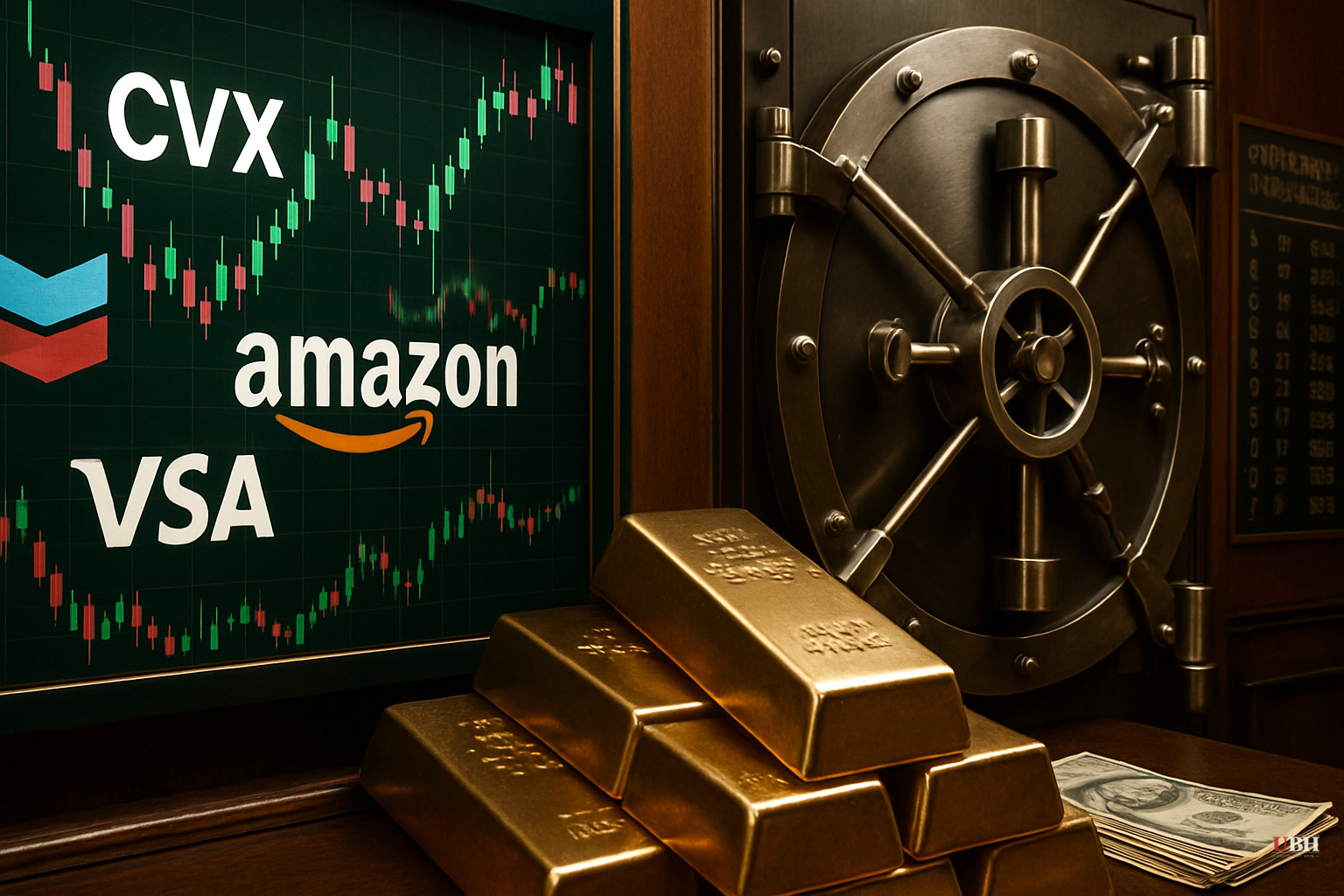
The Number Mainstream Coverage Buried: $24 Billion Sold
Everybody led with Delta. Few led with the full picture.
Berkshire Hathaway bought $15.94 billion in stocks during Q1 2025 — and sold $24.09 billion. That's a net seller by nearly $8.2 billion in a single quarter. According to Reuters via The Globe and Mail, those figures come straight from Berkshire's regulatory filing covering U.S.-listed holdings as of March 31.
This wasn't just a portfolio refresh. It was a systematic liquidation of a specific era of investing.
Chevron: $8 Billion Out the Door
Bloomberg reported the headline figure: Berkshire sold approximately $8 billion worth of Chevron shares as oil prices rose. That's the single largest dollar-amount exit this quarter, and it's barely getting airtime compared to the Delta story.
Berkshire dumped its single biggest quarterly sale into a rising energy market. That's either a disciplined valuation call or a sign that Abel is aggressively repositioning away from commodity exposure. Probably both.
Chevron had been a top-five Berkshire holding. Now it's been cut significantly. No official explanation from Berkshire.
Erasing Todd Combs, Systematically
Todd Combs left Berkshire at the end of 2025 to return to GEICO as CEO. What he left behind was a portfolio full of his fingerprints — and Greg Abel spent Q1 scrubbing them off.
According to CNBC, the most notable sales included Visa and Mastercard — the first stocks Combs ever bought after joining Berkshire, positions that mirrored his former hedge fund Castle Point Capital's major holdings. Gone.
Berkshire also fully exited Amazon, a position long viewed as Combs-driven, after trimming it late last year. According to Business Insider, the complete list of exits includes: Visa, Mastercard, UnitedHealth Group, Domino's Pizza, Amazon, Charter Communications, Diageo, Aon, and Pool Corporation.
The conglomerate's total holdings dropped to roughly two dozen positions, according to Business Insider. Abel isn't just managing a portfolio — he's defining one.
What Abel Kept and Doubled Down On
The Alphabet position is now the clearest signal of where Abel wants Berkshire's equity book to go.
After Buffett's team initiated a position of nearly 18 million Alphabet shares in Q3 2024, it sat untouched for a full quarter. Then Abel took over and more than tripled it to 57.8 million shares — worth approximately $16.6 to $17 billion as of March 31, according to The Globe and Mail and Business Insider. That makes Alphabet Berkshire's seventh-largest holding, per CNBC.
Google's dominance in search and advertising, combined with its cloud and AI infrastructure, makes it one of the most defensible large-cap tech positions available.
The Delta stake — 39.8 million shares worth $2.65 billion, representing a 6.1% stake in the Atlanta-based carrier — is a different kind of bet. It's a contrarian move back into an industry Buffett famously torched in April 2020, calling it a changed world. According to Reuters, Delta is now regarded as among the best-run large U.S. airlines. Delta shares jumped 3.3% in after-hours trading on the disclosure.
Two New Small Bets
Berkshire initiated a $55 million position in Macy's — 3 million shares — per The Globe and Mail. Macy's stock jumped 6.3% after-hours. Small bet, but Berkshire's stamp of approval alone moves a stock like that.
Berkshire also more than doubled its New York Times stake, now owning roughly 15 million shares valued at approximately $1.3 billion, and holding 9.4% of the company's stock, according to Business Insider and The Globe and Mail.
Beyond the Headlines
Most headlines framed this as "Berkshire returns to airlines" — a feel-good Buffett redemption arc narrative. The broader picture is that Greg Abel conducted a controlled demolition of the Combs portfolio while simultaneously concentrating Berkshire's equity exposure into fewer, larger, more deliberate positions. This is portfolio architecture, not stock-picking.
CNBC noted that Abel oversees 94% of Berkshire's stock holdings, with Ted Weschler handling the remaining 6%. Abel told Berkshire in February he consults Buffett — who remains chairman and still comes in five days a week at age 95 — on investments and capital allocation. These are Abel's decisions.
Also largely absent from coverage: the Chevron sale into rising oil prices is the biggest single trade of the quarter by dollar amount. That deserved its own headline.
What This Means for Regular People
If you own Berkshire shares, you own a company that just slimmed its portfolio to roughly 24 positions, dumped $24 billion in stock, and is sitting on a cash hoard nearing $400 billion. Buffett himself has acknowledged displeasure with the current investing backdrop, according to CNBC.
Abel is building something leaner and more concentrated. Whether that's genius or overconfidence depends entirely on what the market does next. But one thing is clear: the Combs era is over, and Abel isn't easing into this job.
Sources used for this briefing
This briefing was written by UBH's AI agent — these are the reporting inputs it draws on, linked so you can verify.


